
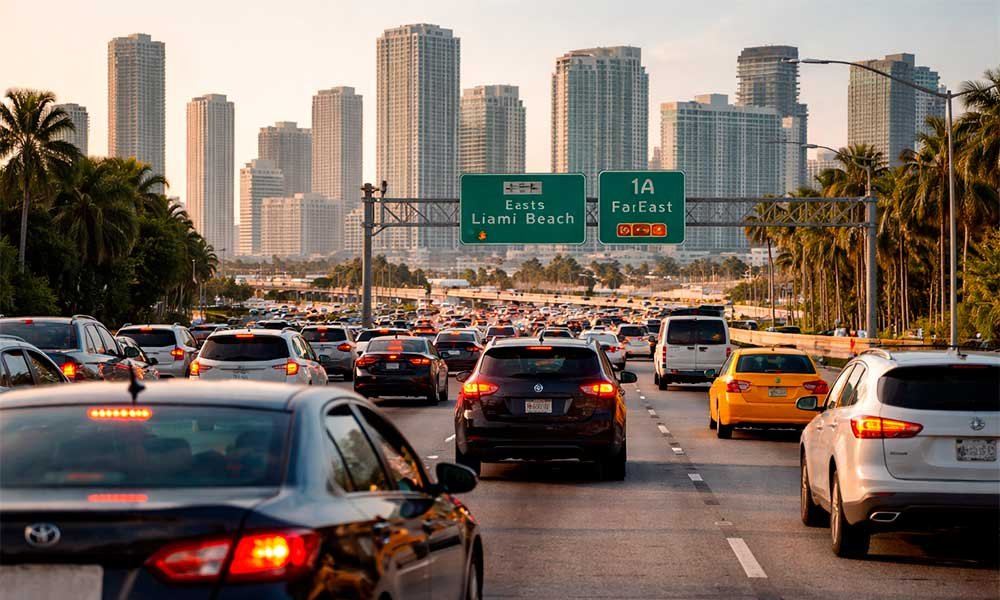
The reality of Miami traffic is a mix of aggressive driving, constant construction, and the unpredictable timing of drawbridges. Most visitors rely solely on GPS, but local knowledge is the only thing that actually helps you navigate the chaos of the Palmetto and the Dolphin Expressway. We’ve compiled the honest facts about what it’s like to be behind the wheel here and the smart shortcuts that only locals use to stay moving.
A 22-minute GPS estimate can instantly turn into a 55-minute crawl if it rains for five minutes or if a bridge opening stalls the causeway. This unpredictability doesn’t just waste time—it triggers Uber surge pricing and kills your energy.
Here is the unfiltered reality to help you Move Smart and plan for the unexpected.
2026 Traffic Reality Check: Expectation vs. Fact
| Scenario / Factor | App/GPS Expectation | 2026 Miami Reality |
| MIA Airport to Beach | ~22 minutes | 55–75 minutes (Rush Hour) |
| The “Rain Factor” | +5 mins delay | +30 mins (Instant Gridlock) |
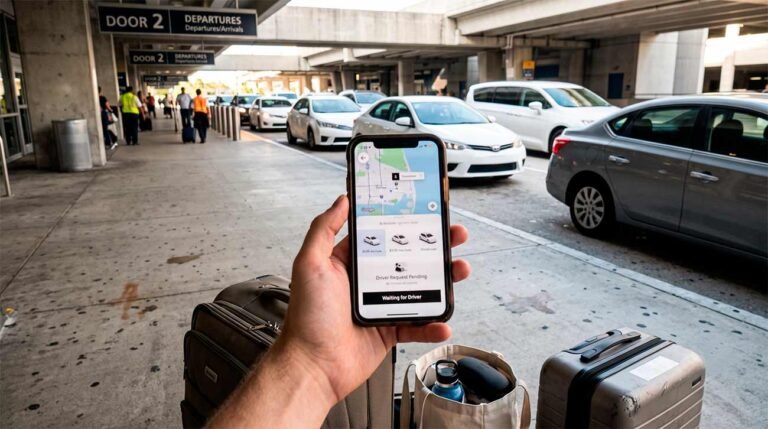
| Uber/Lyft Cost | Standard Rates | 1.5x–2x Surge (4:30 PM – 7 PM) |
| Cross-City Moves | “It looks close” | Sequencing Problem (High Friction) |
- Don’t get stuck in the chaos
BEAT THE GRIDLOCK: See the Absolute Best Times to Drive in Miami
The First Mistake: Trusting Google’s Time Estimate Too Literally
Google Maps might say:
22 minutes.
In Miami, that can easily become:
40–55 minutes.
Especially during:
- Weekday rush hour
- Weekend afternoons
- Event nights
- Rainstorms
- Holiday periods
Miami’s geography forces cars into specific corridors and bridges. When one section slows down, everything slows down.
Distance here is deceptive.
Where Traffic Hits the Hardest
Understanding the pressure points helps you plan smarter.
I-95 (North–South Artery)
- Major commuter highway
- Heavy morning (7–10am)
- Heavy afternoon (3:30–7pm)
- Sudden slowdowns even outside peak hours
If you’re driving between:
- Downtown
- Brickell
- Aventura
- Fort Lauderdale direction
You will likely hit congestion.
The Causeways to Miami Beach
There are only a few ways in and out of Miami Beach:
- MacArthur Causeway
- Julia Tuttle Causeway
- Venetian Causeway
If one gets congested, alternatives are limited.
Beach traffic is especially heavy:
- Late afternoon (people leaving)
- Weekend evenings
- Event weekends
- During rain
A 15-minute crossing can become 45.
Downtown & Brickell
High density.
Narrow streets.
Heavy construction zones.
Frequent stoplights.
Traffic here isn’t always about distance — it’s about slow progression.
Wynwood & Design District
Small streets.
Tourist density.
Frequent Uber pickups.
Limited parking access.
Short distances take longer than expected.
Rush Hour in Miami: What It Actually Feels Like
Morning rush hour:
- 7:00–10:00am
- Commuter heavy
- Highway congestion
Afternoon rush hour:
- 3:30–7:00pm
- Worse than morning
- Highway + city grid congestion
Unlike cities with strong public transport alternatives, Miami relies heavily on cars. That means rush hour spreads across the entire system.
And it doesn’t “clear quickly.”
The Rain Factor (Underestimated by Tourists)
When it rains in Miami:
- Visibility drops fast
- Drivers slow down significantly
- Minor accidents increase
- Highways back up quickly
Even a short tropical shower can disrupt traffic for hours.
Rain + rush hour = serious delays.
Event Nights: The Hidden Disruptor
Concerts.
Sports games.
Major conventions.
Art Basel.
Spring Break.
Ultra Music Festival.
During large events:
- Beach access tightens
- Downtown gridlocks
- Parking fills early
- Uber surge pricing spikes
- Causeways slow dramatically
Event traffic affects more than the venue area.
Why This Matters More Than You Think
Traffic doesn’t just waste time.
It changes decisions.
It affects:
- Dinner reservations
- Tour start times
- Airport arrival stress
- Rental car value
- Uber cost (surge pricing)
- Parking duration
- Your energy level
Miami distances are wide.
Heat adds fatigue.
Traffic multiplies friction.
That combination matters.
Airport to Hotel: The First Traffic Reality Check
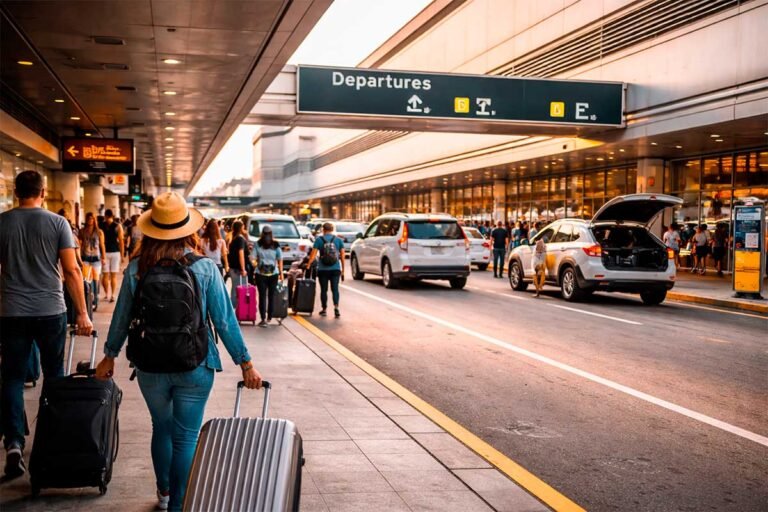
Landing at Miami International Airport feels efficient.
But once you leave the terminal:
- Afternoon arrivals hit commuter flow.
- Beach-bound travelers face causeway bottlenecks.
- Rain intensifies delays.
- Construction zones complicate routes.
A ride that “should take 20 minutes” can take nearly an hour.
Planning buffer time here reduces stress immediately.
The Psychological Cost of Traffic
Visitors rarely calculate this:
- Sitting in traffic after a long flight
- Circling for parking
- Rushing to avoid late fees
- Watching your Uber surge increase
Traffic adds invisible pressure.
And pressure impacts how much you enjoy the city.
Move Smart in Miami means anticipating friction — not reacting to it.
Does This Mean You Should Avoid Renting a Car?
Not necessarily.
But traffic changes the equation.
Before deciding, read:
- Is Renting a Car in Miami Worth It or a Waste of Money?
- Can You Stay in Miami Without Renting a Car?
Traffic makes cars convenient in some scenarios — and frustrating in others.
Understanding the pattern helps you decide strategically.
How Smart Travelers Plan Around Miami Traffic
Instead of fighting traffic, they adjust.
They:
- Avoid cross-city trips during peak hours
- Group activities by neighborhood
- Schedule beach returns before 4pm
- Allow buffer time for airport transfers
- Avoid unnecessary bridge crossings
- Use ride share strategically during congestion
Mobility in Miami isn’t about speed.
It’s about sequencing.
When Traffic Is Less of a Problem
- Late mornings (10:30am–2:30pm)
- Very early mornings
- Late nights (except event areas)
- Staying and exploring within one district
The more you move between zones, the more traffic impacts you.
Final Perspective: Miami Is Built Around Cars — But That Has a Cost
Miami is not a walking city at scale.
Public transport exists, but coverage is limited.
Cars dominate the system.
That means:
Traffic is structural.
Not temporary.
Understanding that before you arrive changes everything.
Move Smart in Miami doesn’t mean avoiding traffic completely.
It means designing your days knowing it exists.
And when you do that, Miami feels smoother — not chaotic.