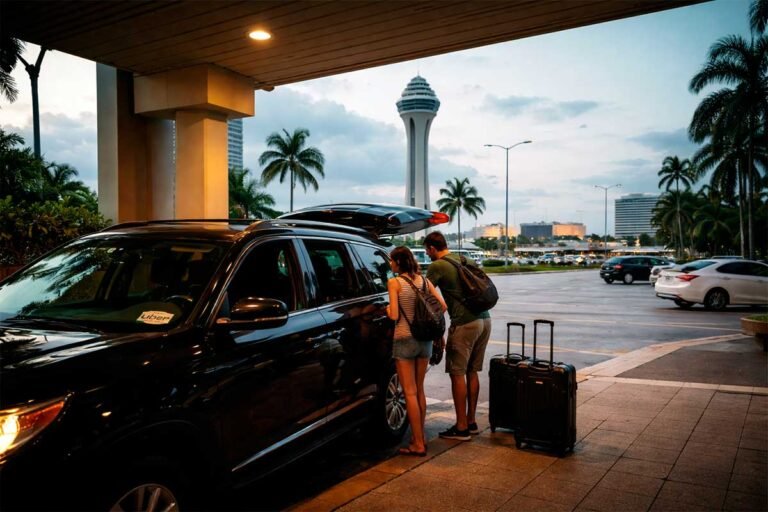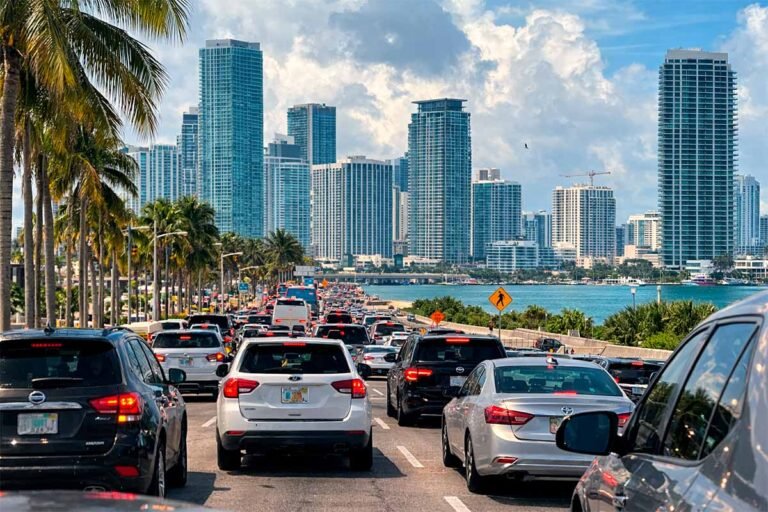


Visiting Miami without a car is completely practical, provided you base yourself in South Beach (south of 23rd Street), Brickell, or Downtown Miami. Outside these three walkable areas, Miami is heavily car-dependent, and relying entirely on rideshares will quickly exceed the daily cost of a rental car. Staying in these core districts gives you direct access to free transit loops like the Metromover and local trolleys while avoiding hotel parking fees of $30 to $60 per night.
One of the biggest mistakes visitors make in Miami is renting a car without thinking about where they’ll stay.
A car in Miami is expensive: rental, insurance, parking, valet fees, fuel, and tolls quickly add up. It’s common to spend $60–120 per day just to have a car parked most of the time.
But skipping the car only works if you stay in the right area.
This guide helps you decide:
• Where you can stay in Miami without needing a car
• How easy it is to walk or use rideshare/public transport
• When not renting a car actually saves money
• And when you still might need one
Because in Miami, location decides whether your trip is easy or stressful.
First: Can You Visit Miami Without Renting a Car?
Yes — but only in specific areas.
Miami is not a walkable city overall. Attractions are spread out, public transport is limited, and distances are larger than visitors expect.
However, some neighborhoods allow you to:
• Walk to beaches, restaurants, and shops
• Use Uber/Lyft for short trips
• Use free or cheap local transport options
• Avoid parking headaches and daily rental costs
Choosing the right base can easily save $300–800 on a typical trip.
Best Areas to Stay in Miami Without a Car
South Beach & Mid-Beach: Best for First-Timers and Beach Access
For most tourists without a car, Miami Beach is the best choice.
Why it works:
• Walkable streets
• Restaurants everywhere
• Beach access on foot
• Grocery stores nearby
• Shops and nightlife nearby
• Safe areas with constant activity
You can spend several days without needing transport at all.
When you want to explore outside Miami Beach, Uber rides to:
• Brickell
• Wynwood
• Downtown
• Design District
usually cost $15–30 per trip, which is still cheaper than renting a car for several days.
Best for:
First-time visitors, beach trips, short vacations, relaxed travel.
Downside: Hotels are expensive, especially in high season.
Brickell: Best for Free Urban Transit and Business Travelers
Brickell is Miami’s modern downtown area, popular with business travelers and young professionals.
It works well without a car because:
• MetroMover (free downtown train loop)
• Walkable restaurants and bars
• Grocery stores and shopping nearby
• Easy Uber access to many neighborhoods
• Direct train connection from the airport
The Metrorail Orange Line runs directly from Miami International Airport (MIA) to Brickell Station in approximately 15 minutes for $2.25 per ride. This single connection makes taking a taxi or rideshare from the airport completely unnecessary if you stay in Brickell or Downtown.
Hotels and apartments here are often newer and sometimes cheaper than Miami Beach.
But:
• No beach within walking distance
• Area feels business-oriented at night in some parts
You’ll use Uber to reach the beach, which takes around 20–30 minutes depending on traffic.
Best for:
Visitors mixing business and leisure, longer stays, modern hotel preference.
Downtown Miami: Best Budget Base for Free Metromover Access
Downtown is improving and can be practical without a car.
Pros:
• MetroMover covers much of the area
• Train connection to airport
• Easy access to Brickell
• Often cheaper hotels than Miami Beach
Cons:
• Less nightlife atmosphere than Miami Beach
• Some streets feel empty at night
• Not scenic in many parts
It works mainly as a budget-friendly base if you plan to move around using rideshare.
Edgewater (Good Alternative for Longer Stays)
Edgewater sits between Downtown and Wynwood.
Advantages:
• Close to several neighborhoods
• Modern apartment buildings
• Good Uber access everywhere
• Often cheaper than Brickell or Miami Beach
Limitations:
• Not very walkable for tourists
• Few attractions within walking distance
• No beach nearby
Better for longer stays where you don’t need tourist infrastructure around you all the time.
Areas That Do NOT Work Well Without a Car
Avoid staying without a car in:
• Doral
• Kendall
• Suburban hotel zones
• Areas near highways
• Hotels far from beach or downtown
Hotels may look cheaper, but you’ll spend heavily on Uber rides and lose time commuting.
A cheap hotel far away often becomes more expensive than a better location.
How Much Money Do You Actually Save Without a Car?
Typical daily car cost:
• Rental: $40–70/day
• Insurance: $20–35/day
• Hotel parking: $30–60/night
• Fuel + tolls: $10–20/day
Total: $70–150 per day
Meanwhile, Uber/Lyft costs:
• Short rides: $10–25
• Airport ride: $25–45
• Occasional trips: cheaper overall
For many travelers, rideshare costs less than half of renting a car.
Free electric shuttle services like Freebee cover neighborhoods like Brickell, Wynwood, and Coconut Grove at zero dollar cost. However, wait times during peak dinner hours (6:00 PM to 9:00 PM) often reach 20 to 30 minutes, so keep Uber as a backup when you have fixed reservation times.
When You Still Need a Car in Miami
Skipping a car is NOT ideal if you plan to:
• Visit multiple malls and outlets daily
• Go to Everglades tours independently
• Drive to Key West
• Do heavy shopping trips
• Visit suburbs frequently
In those cases, renting a car for only part of the trip often works better.
Smart Strategy: Split Your Trip
A practical approach:
• Stay in walkable areas first (no car)
• Rent a car only for shopping days or excursions
This reduces costs and parking stress.
Many experienced travelers do exactly this.
Final Decision: Where Should You Stay?
Choose Miami Beach if:
• You want easy vacation mode
• Beach access matters
• First time in Miami
Choose Brickell if:
• You prefer modern hotels and city vibe
• Beach is optional
• You want better transport access
Choose Downtown or Edgewater if:
• Budget matters more
• You plan to move around a lot
• You’re comfortable using rideshare
The key takeaway: In Miami, location matters more than hotel price.
Saving on the room but spending on transport often cancels the savings.
Choosing the right neighborhood lets you skip the car in Miami — and keep more money for what actually matters on your trip.