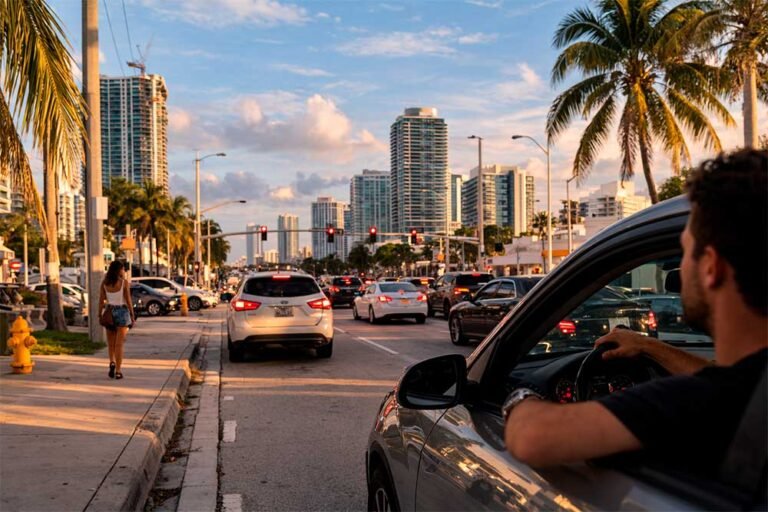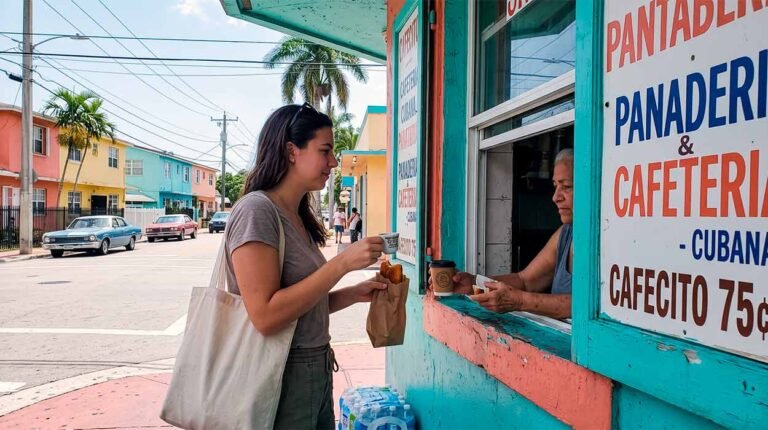

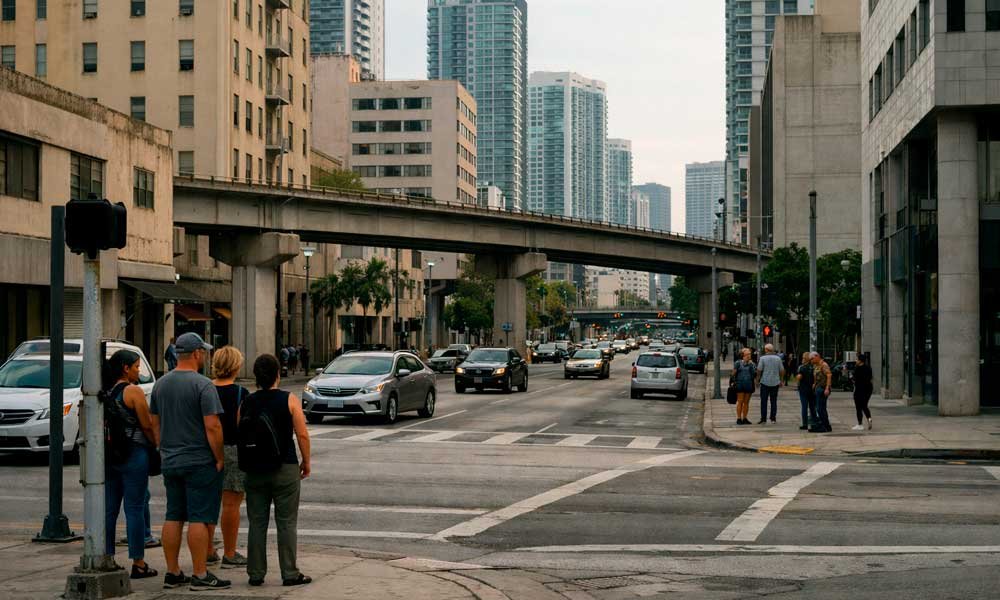
Choosing Downtown Miami is less about whether the area is “good” and more about whether it matches the way you’ll actually use Miami. It can be a smart base if your trip is short, practical, cruise-related, business-focused, or centered around places like PortMiami, Bayside, Brickell, museums, arenas, or transit connections. The mistake is booking Downtown only because the hotel rate looks better, then realizing your real Miami plan is somewhere else. This area is urban, convenient and often more affordable than the beach zones, but it does not deliver the relaxed resort feeling many first-time visitors imagine when they think of Miami. If you care more about movement, logistics and cost control than beach access or polished vacation atmosphere, Downtown can work. If your trip depends on walking to the sand, late-night comfort, or a classic Miami Beach experience, the savings may not feel worth it.
Downtown Miami often appears in search results because it’s cheaper than South Beach. That alone makes people curious.
But cheaper doesn’t automatically mean better value.
The real question is: Does staying in Downtown Miami save you money — or does it shift costs elsewhere?
Let’s break it down clearly.
Quick Answer
Yes — Downtown Miami can be a good place to stay if you want lower hotel rates, access to public transport, and proximity to the cruise port.
No — it may not be ideal if you expect charm, beach atmosphere, or a consistently relaxed environment at night.
Downtown works for specific types of trips. It’s not a universal solution.
Why Downtown Hotels Are Often Cheaper
Downtown has:
- Business-oriented buildings
- Less beach-driven demand
- Older hotel inventory in some sections
- Higher weekday corporate occupancy
Because it’s not a beach neighborhood, demand fluctuates differently than South Beach.
That often translates into:
- More competitive nightly rates
- Fewer resort-style pricing add-ons
- Better deals for short stays
On paper, Downtown frequently wins on price.
But price is only one part of the equation.
What Downtown Actually Feels Like
Downtown Miami feels urban and mixed.
During the day:
- Office workers
- Public transport traffic
- Tourists heading to Bayside or the port
At night:
- Some blocks quiet down
- Others feel active
- Certain areas feel less polished than Brickell
It’s not glamorous. It’s functional.
If you’re expecting postcard Miami, Downtown may feel underwhelming.
If you’re expecting convenience, it can work well.
Safety Perception vs Reality
One of the biggest concerns travelers have is:
Is Downtown Miami safe?
The honest answer: it depends on the exact block and time of day.
Downtown is not uniformly unsafe.
But it is more mixed than Brickell.
What this means in practice:
- Busy areas near Bayside and major streets feel active and visible.
- Quieter side streets at night may feel less comfortable for some travelers.
This isn’t unique to Miami — it’s common in urban centers.
The key is choosing your hotel location carefully and staying aware after dark.
For broader safety context:
Transport Advantage
Downtown’s biggest strength is connectivity.
You have access to:
- Metromover (free loop system)
- Metrorail connections
- Proximity to PortMiami
- Reasonable airport access
If you are:
- Arriving for a cruise
- Staying only 1–2 nights
- Not planning heavy beach days
Downtown becomes practical and efficient.
Transport convenience is its strongest financial advantage.
The Hidden Trade-Off
Here’s where things get nuanced.
If you stay in Downtown but spend your days in:
- South Beach
- Wynwood
- Design District
You will rely on Uber frequently.
Those costs can quickly reduce the savings you thought you were getting from a lower hotel rate.
Downtown works best when your daily activities stay relatively central.
Who Saves Money Staying in Downtown
Downtown can be a smart financial decision for:
✔ Cruise passengers
Close to PortMiami and easy transfers.
✔ Short business trips
Urban convenience matters more than beach proximity.
✔ Budget-conscious travelers who don’t prioritize beach access
✔ Visitors comfortable in city-center environments
In these cases, Downtown’s lower nightly rates and transport access align with the itinerary.
Who Should Avoid Downtown
Downtown may not be ideal if:
✖ You want beach access on foot
✖ You expect a relaxed, resort-style vibe
✖ You are uncomfortable navigating mixed urban areas at night
✖ You want modern luxury for the same price
If your trip revolves around beach time, South Beach or even Brickell may feel more aligned with your expectations.
For broader location comparisons:
- Where to Stay in Miami: A Smart Area Guide for First-Time Visitors
- Brickell vs Downtown Miami: Which Area Makes More Sense?
Downtown vs Brickell (Quick Context)
The difference is subtle but important.
Brickell feels newer, cleaner and more residential-corporate.
Downtown feels more traditional urban and slightly more variable block to block.
Brickell typically costs a bit more — but often feels more polished.
Downtown typically costs less — but requires more location awareness.
The smarter choice depends on your comfort level and itinerary.
Is Downtown Miami a Smart Place to Stay?
Downtown Miami can be a good place to stay — when the trip structure supports it.
It offers:
- Lower average hotel rates
- Strong transport connections
- Practical access to the port
It does not offer:
- Beach atmosphere
- Resort-style comfort
- Uniform nighttime ambiance
If your priority is saving on hotel cost and staying central, Downtown can make sense.
If your priority is beach experience or polished surroundings, you may find better alignment elsewhere.
Choose based on how you’ll move through the city — not just what the nightly rate says.