
If you are staying in Miami and thinking about doing Sawgrass Mills without a car, here is the short answer first: you can do it, but for most visitors it is a bad value move.
Not because Sawgrass is bad. Not because there are no deals. It is a bad value move because the distance, the size of the place, the return trip, and the bag problem start eating the savings faster than most people expect.
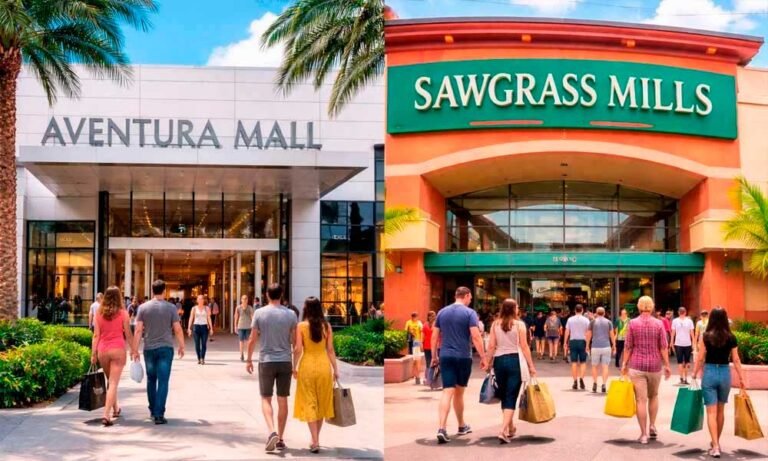
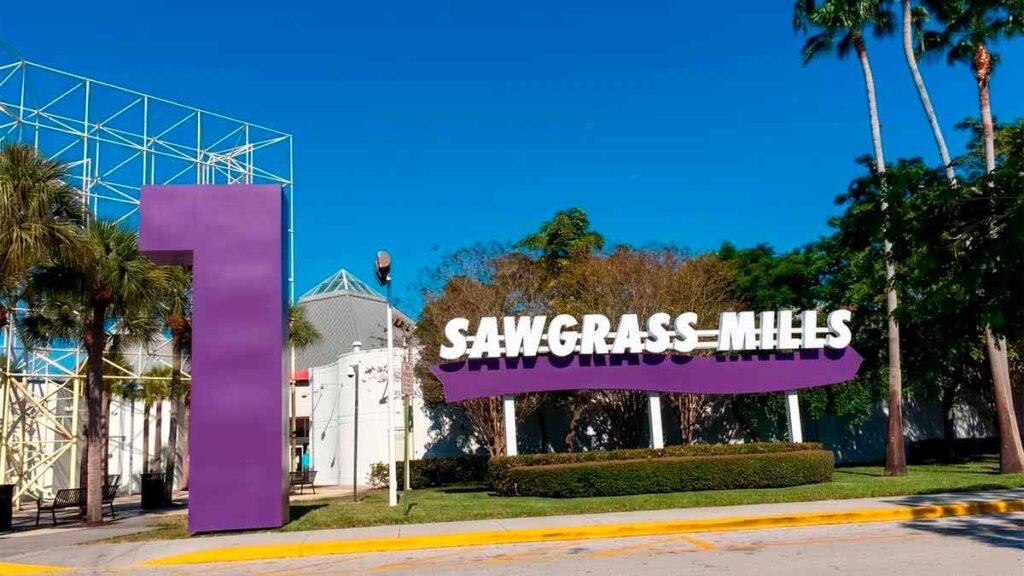
Sawgrass Mills is in Sunrise, not Miami, and Simon’s own site shows full-day retail hours, a giant map-driven layout, perimeter parking, garages, and a separate Colonnade section. That is a clue by itself: this is not a casual mall stop. It is a full logistics day.
That is the part generic guides miss. They show routes. They do not show the shape of the day. If you start from South Beach, Mid-Beach, Brickell, or Downtown, the outing is not just “shopping.” It is leaving your base, committing a big part of the day to Sunrise, carrying whatever you buy, and still needing a clean way back when you are tired. Once you look at it that way, the decision gets clearer: Sawgrass without a car only works when the shopping goal is big enough to justify treating the whole day like a retail mission, not a side trip.
The real formula
The formula that matters is simple:
Sawgrass cost = transportation + 7% tax + food + bag management + time loss + return hassle
Florida’s state sales tax is 6%, and Florida counties can add a discretionary surtax. Broward County’s combined rate is 7%, so the outlet sticker price is never the full number you are mentally using when you talk yourself into a bargain.
That still is not the expensive part.
The expensive part is the part most people do not count: the way the whole day starts revolving around the trip. If you save $100 to $150 on a few items but spend heavily on rides, meals, and lost time, you did not unlock a smart outlet day. You paid to make the errand harder.
Why Sawgrass feels different from a normal mall visit
Sawgrass is not a normal “let’s stop by for two hours” mall. The official map and center info make that obvious. It is big enough that Simon pushes an interactive map, separate parking zones, and a distinct Colonnade luxury area. Official regular hours run Monday through Saturday from 10:00 AM to 9:00 PM, and Sunday from 11:00 AM to 8:00 PM. That sounds generous until you realize what it does to visitors: it tempts people to think they can drift through the day and figure the return out later.
That is exactly how the math gets ugly.
With a rental car, the day stays under control. You can arrive early, unload bags into the trunk, move around the property more easily, and leave the moment the value drops. Without a car, every successful purchase makes the rest of the day less comfortable. The more the trip “works,” the more annoying the return becomes.
That is the hidden truth of Sawgrass without a car: good shopping makes the logistics worse.
Miami Malls & Outlets Compared
The transportation options are real. None of them are magically good.
There are three broad ways to do this from Miami without renting a car: direct rideshare, public transit, or Brightline plus a last-mile ride.
Direct rideshare is the cleanest operationally because it removes transfers. Uber’s own estimate tool exists for this reason: prices move with traffic, demand, route, and timing. On a long South Florida run between Miami and Sunrise, that variability matters. The app may look manageable in the morning and much less cute later in the day.
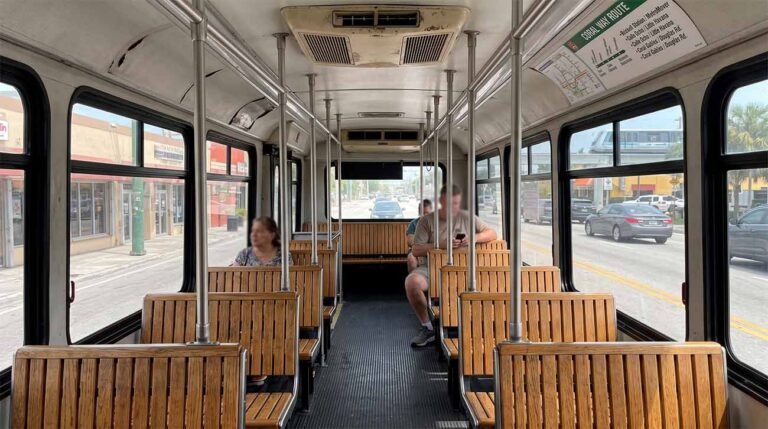
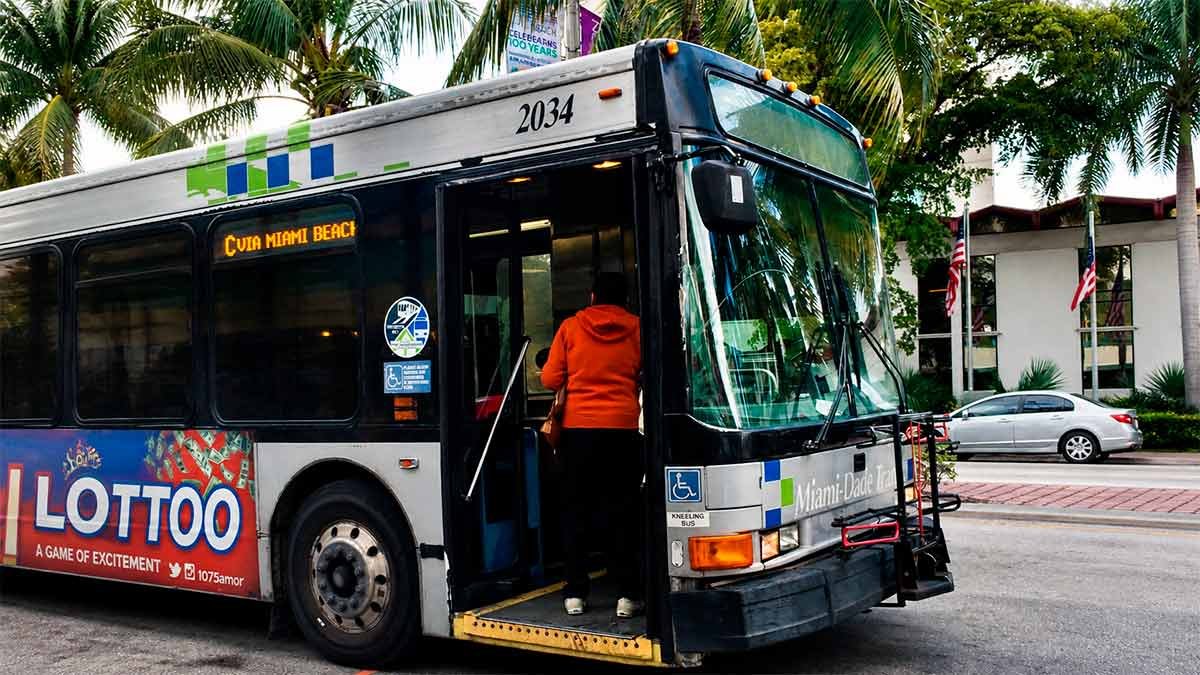
Public transit is the cheapest in raw cash terms. Broward County Transit charges $2 one way, $5 for an all-day pass, and $12 for a 3-day pass. Route 22 serves Sawgrass Mills and runs via Broward Boulevard to Broward Central Terminal, with connections around Broward Mall, Sunrise Park & Ride, and other transfer points. That is current and official. The problem is not price. The problem is what that low price buys you: more steps, less flexibility, and a much higher chance that the day becomes longer than it should be.
Brightline solves part of the problem, not all of it. It gets you between Miami and Fort Lauderdale, but not from Fort Lauderdale to Sawgrass. You still need the last leg. Brightline also allows two complimentary carry-on bags plus one personal item, with carry-ons capped at 50 lbs. and 24 x 16 x 10 inches (61 x 41 x 25 cm). Larger bags may need check-in with Guest Services. That sounds useful until you realize it does not remove the real issue: if the whole point of the day is outlet shopping, your return gets harder as your shopping gets bulkier.
Quick comparison
| Option | What you save | What you pay for |
|---|---|---|
| Public transit | Lowest cash outlay | Longest day, most transfers, least control |
| Brightline + rideshare | Cleaner first leg | You still have a last-mile problem |
| Direct rideshare | Easiest route structure | Highest ride cost, still no trunk |
| One-day rental car | Best control | More upfront commitment, but cleaner day |
The first mistake: treating Sawgrass like a casual stop
The biggest planning error happens before anyone opens Google Maps.
People assume Sawgrass is just a farther mall. It is not. From Miami, it behaves more like a dedicated shopping excursion. If you are staying near Collins Avenue in Miami Beach, around Brickell Avenue, or in the Downtown/Biscayne Boulevard area, you are not casually “heading over.” You are committing your day to a place outside your base and then figuring out how to reverse the whole move later.
That changes the threshold.
For a nearby mall or shopping street, a mediocre result is fine. You lost a couple of hours. For Sawgrass without a car, a mediocre result hurts more because the logistics were expensive even before the purchases were.
The second mistake: not pricing the bag problem
This is the part almost no generic article handles well.
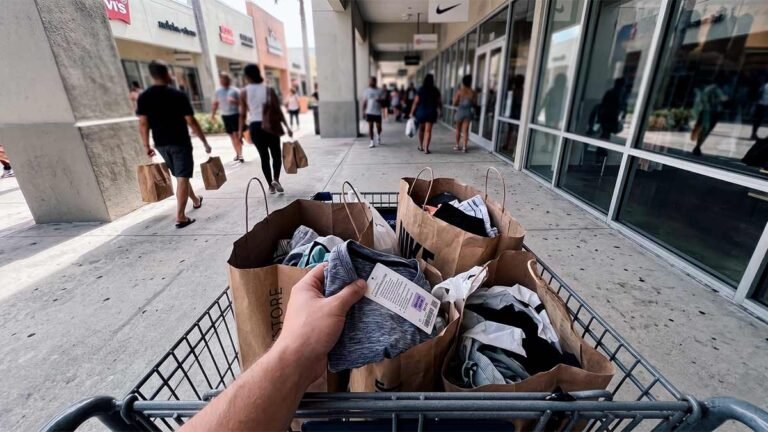
Without a car, your purchases are no longer just purchases. They become cargo.
And cargo changes how you shop.
You walk differently. You stop differently. You browse less freely. You pay more attention to where you are relative to exits. You think about whether soft bags will survive the trip back. You think about whether one more purchase is worth carrying. If you are doing Brightline plus another ride, the baggage policy matters more. If you are doing public transit, it matters even more. Brightline’s allowance is generous enough for travel basics, but outlet-shopping volume can push you into a different category of inconvenience fast.
That is one of the strongest reasons the no-car plan often fails in practice. It is not because nobody can reach Sawgrass. It is because the day stops feeling light once your shopping bags become part of your transportation strategy.
The Misinformed Tourist vs. The MTH Reader
The Misinformed Tourist
A couple staying in South Beach reads a generic article that says there are ways to reach Sawgrass without a car, so they assume that means it is a good idea.
They leave late because the morning was “free.” They tell themselves they will just shop for a few hours. They do not treat the outing like a mission, so they do not prioritize stores, sections, or time. Once they arrive, the place feels bigger than expected. They bounce between sections. Lunch happens because they are already there too long to skip it. By mid-afternoon they have enough bags to become uncomfortable, but not enough purchases to feel victorious. Now the return starts mattering. Every additional store has a cost. Every extra bag has a cost. Every delay pushes the return trip closer to the time when everyone else is also leaving.
They did not make one huge mistake. They made five small ones: late start, vague list, no exit strategy, no bag threshold, and no clear point where the day stops being worth it.
That is how a “deal day” turns into a drag.
The MTH Reader
The Miami The Hype reader starts from the opposite assumption: the route may be possible, but the day still has to earn its keep.
So they ask harder questions first. Is the shopping list strong enough? Are the expected savings large enough? Is this the main event of the day, or am I forcing it into a trip already centered on Miami Beach, Brickell, Wynwood, or Downtown? If I am not renting a car, what is my cut-off point for weight, volume, and time?
That reader either skips the trip entirely or treats it like a dedicated excursion. Early start. Narrower list. Lower tolerance for wandering. Better awareness that official mall hours are long enough to tempt bad timing, but not long enough to save a poorly planned day.
The MTH version is not glamorous. It is just more honest. And honesty is what saves money here.
The public transit trap
Miami public transit has the most attractive headline price, which is why it traps people.
Broward County Transit makes the fare look simple: $2 one way, $5 all day, $12 for three days. Route 22 is real and current, serving Sawgrass via Broward Boulevard and Broward Central Terminal. That makes the plan sound easy. But it is only easy if you confuse fare with total cost.
A cheap fare is not the same thing as an efficient shopping day.
When your destination is a giant outlet center far from your Miami base, low fare can easily become high effort. More waiting. More transfers. Less margin for mistakes. Less comfort on the return. More exposure to the exact problem that makes Sawgrass harder without a car in the first place: you will probably leave with more volume than you arrived with.
That is why the bus option is not wrong. It is just usually wrong for a visitor who thinks they are making a clean money-saving move.
The Brightline trap
Brightline looks slick in theory. And for some trips, it is slick.
For Sawgrass, it solves only the pretty part of the route.
Yes, you can get from Miami to Fort Lauderdale quickly. Yes, the baggage rules are manageable for typical carry-ons. But the train is not the destination. Sawgrass is. So the last leg still exists, and the last leg is the part that most matters after a shopping trip. You are still stitching together the day. You are still managing what you bought. You are still vulnerable to a return that gets more annoying as the bags get bigger.
That is the key mistake in a lot of “smart transit” advice. It mistakes a cleaner first leg for a solved journey.
It is not solved.
Three practical truths you do not get from most guides
First, official bus access does not mean efficient tourist access. Route 22 proves the mall is on the system. It does not prove the outing is well-shaped for a Miami visitor carrying purchases back.
Second, Brightline baggage rules help less than people think. They help for travel. They do not magically make outlet volume convenient, especially if your shopping day goes well enough to create bulk.
Third, the mall’s full-day hours are not your friend if you are vague. Long official hours invite people to overstay, drift, and leave later than ideal. That matters more when the return trip is long and your base is still in Miami.
What the smarter decision usually is
For most people staying in Miami, the better move is one of two things:
Either rent a car for the day and make Sawgrass a controlled mission.
Or skip Sawgrass and shop closer to your base.
That second option is not sexy, but it is often smarter. A slightly weaker retail selection much closer to where you are staying can beat a stronger selection that turns into a long, awkward, bag-heavy cross-county outing. The farther your hotel is from Sunrise, the more likely that is true.
Is Sawgrass Mills without a car worth it?
Usually, no.
Possible? Yes. Worth the money and energy for most Miami visitors? Usually not.
The problem is not access. The problem is total cost once you count the whole day honestly. Sawgrass is large, far from Miami, and easy to underestimate if you read content that focuses only on route options. Public transit is cheap but demanding. Brightline looks smarter than it actually is for this specific trip. Direct rideshare is easier but can erase a lot of your savings. The no-car version only starts making sense when the shopping goal is big enough to justify treating the entire day like a dedicated retail operation.
That is the clean answer.
Not “it depends” in the lazy way. It depends in one specific way: is the shopping list strong enough to justify turning a Miami day into a Sunrise logistics day?
For most visitors, the answer is no.
FAQ
Can you get to Sawgrass Mills from Miami without a car?
Yes. Public transit, Brightline plus a last-mile ride, and direct rideshare are all possible. The issue is not access. The issue is whether the full outing is still a good value once time, transfers, bags, and the ride back are counted.
How much is the sales tax at Sawgrass Mills?
Broward County retail purchases generally land at a 7% combined rate once the 6% Florida state sales tax and county surtax are added together.
Is the bus to Sawgrass Mills cheap?
Yes in raw fare terms. Broward County Transit lists $2 one way, a $5 all-day pass, and a $12 3-day pass. Cheap fare does not mean low-effort day, though.
Does Brightline solve the Sawgrass Mills trip from Miami?
Not fully. Brightline gets you to Fort Lauderdale, not to Sawgrass itself, so you still need another leg. Brightline also has baggage rules that are fine for normal travel but do not remove the hassle of bringing outlet purchases back without a car.