
Brickell is one of Miami’s easiest neighborhoods to misunderstand because it looks like the obvious “smart” choice from a hotel search: newer buildings, recognizable brands, restaurants nearby, and a cleaner city feel than many tourist-heavy areas. What matters is whether Brickell matches the way you plan to use Miami. If your days are built around good hotels, dinners, work calls, shopping, and short rides around the city, it can be a very solid base. If your trip is mostly beach time, South Beach nightlife, or trying to minimize transportation, Brickell can turn into a polished but inconvenient choice. The area often works best for travelers who want Miami to feel organized first and beachy second, which is exactly why it can be both a great stay and the wrong booking.
If you’re choosing a hotel in Miami and considering Brickell, you’re really asking a bigger question:
Will staying here make my trip easier — or more expensive?
Brickell is one of the most popular areas for tourists who don’t want the full South Beach experience. It looks modern, feels organized and often appears safer and more “upscale.”
But that doesn’t automatically mean it’s the best area to stay.
Let’s break it down properly.
Quick Verdict
Yes — Brickell is a good area to stay if you prefer a modern city atmosphere, walkable restaurants, and don’t mind Ubering to the beach.
No — it’s not ideal if your dream Miami trip means stepping out of your hotel directly onto the sand.
Brickell works very well for certain travelers. For others, it quietly increases daily transport costs.
What Brickell Actually Feels Like
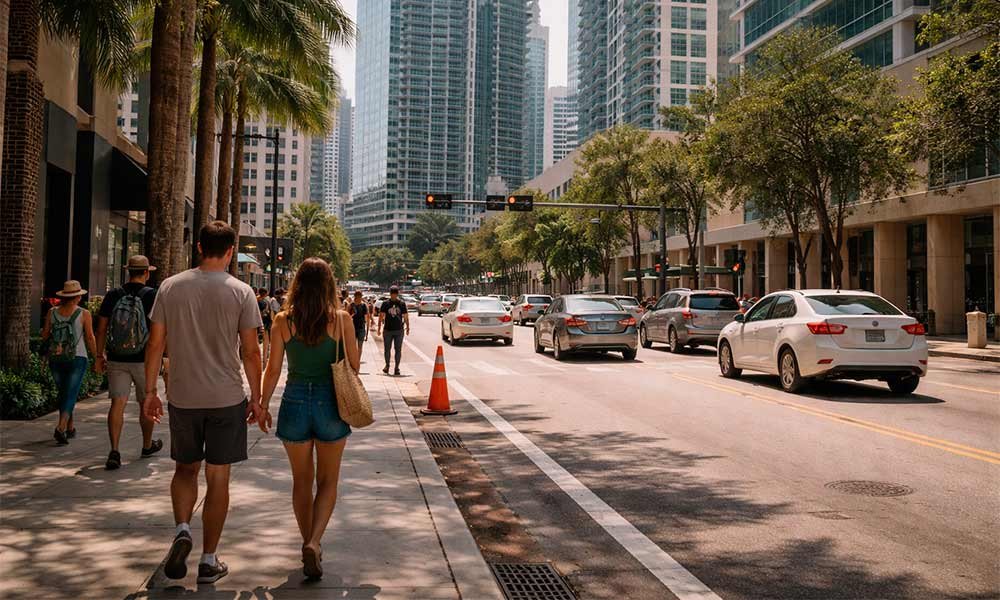
Brickell feels vertical.
Glass towers. Rooftop bars. Corporate energy during the day. A polished, international vibe at night.
It does not feel like a beach neighborhood.
There are no ocean views from most streets. No sand within walking distance. No Art Deco charm.
Instead, you get:
- Clean sidewalks
- High-rise residential buildings
- Trendy restaurants
- Cafés and grocery stores within walking distance
- A business district atmosphere
Some travelers love this because it feels structured and safe.
Others arrive expecting palm-tree fantasy and realize they booked something closer to “urban Miami” than “postcard Miami.”
That mismatch matters.
Hotel Value vs Cost
Brickell hotels are usually:
- Modern
- Well-maintained
- Part of recognizable brands
- Larger rooms than South Beach boutique hotels
Price-wise, Brickell is typically:
- Slightly cheaper than prime South Beach
- More predictable (fewer surprise resort fees)
- Competitive mid-to-upper tier
You often get more modern infrastructure for your money compared to older South Beach buildings.
But here’s the financial trade-off:
If you plan to spend most of your time at the beach, you’ll pay for transportation daily.
Hidden Costs You Should Consider
Staying in Brickell can quietly shift your spending.
1️⃣ Uber to the Beach
Expect:
- 15–25 minutes depending on traffic
- Surge pricing on weekends
- Round trips that can add up over 4–5 days
If you go to South Beach every day, those rides compound.
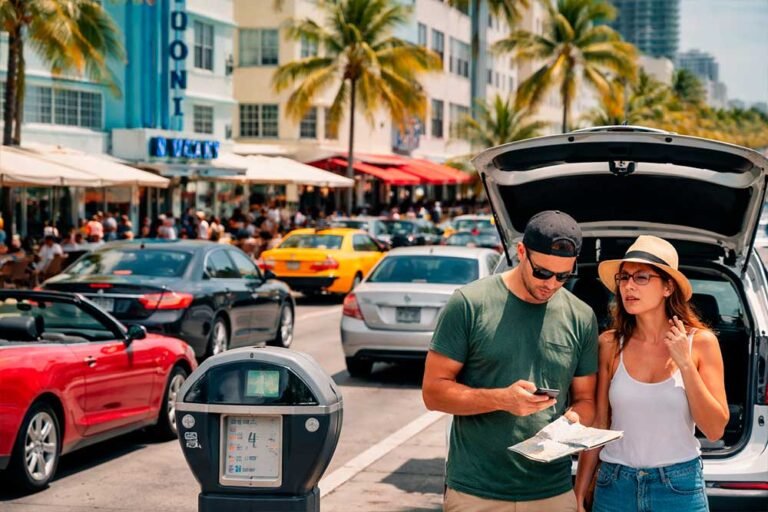
2️⃣ Parking
If you rent a car:
- Hotel parking can be expensive
- Street parking is limited
3️⃣ Food Prices
Restaurants in Brickell skew toward business professionals and upscale dining.
You’ll find options across price ranges, but casual beach-side snack pricing doesn’t really apply here.
Walkability Reality
Brickell is highly walkable — but only within Brickell.
You can walk to:
- Restaurants
- Grocery stores
- Pharmacies
- Bars
- The Brickell City Centre
You cannot walk to:
- The beach
- South Beach nightlife
- Wynwood
That means you must plan transport if your itinerary spreads across Miami.
Is Brickell Safe?
This is one of the reasons many travelers choose Brickell.
Brickell generally feels:
- Clean
- Well-lit
- Structured
- Residential and corporate
Many visitors perceive it as safer than more tourist-heavy areas.
But “feels safe” does not mean “ignore awareness.”
Like any major U.S. city:
- Stay aware late at night
- Avoid isolated streets
- Don’t walk distracted
Compared to areas with heavier tourist density, Brickell tends to feel calmer.
If safety perception strongly influences your booking decision, Brickell usually provides comfort.
For broader safety context, see:
Who Brickell Is Perfect For
Brickell works extremely well for:
✔ Couples who want modern comfort
✔ Remote workers
✔ Travelers who prefer upscale dining
✔ Visitors who want city energy, not beach chaos
✔ People staying 3–4 nights who don’t need daily beach time
If your idea of Miami includes rooftop views and polished hotel lobbies, Brickell fits.
Who Should Avoid Brickell
Brickell is not ideal for:
✖ Travelers who want to wake up and walk to the beach
✖ Party-focused groups centered around South Beach nightlife
✖ Budget travelers relying heavily on public beach access
✖ Visitors who dislike corporate-style districts
If the beach is your daily plan, South Beach may make more financial sense.
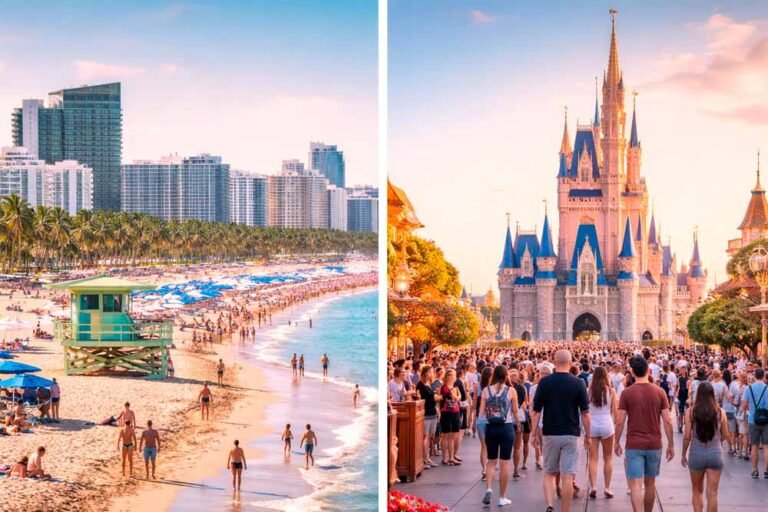
Brickell vs South Beach (Quick Context)
The choice often comes down to this:
- South Beach = Beach-first experience, higher tourist pricing
- Brickell = City-first experience, modern comfort
If you’re deciding between the two, read:
If you want the full location overview, see:
Final Decision
Brickell is a good area to stay in Miami — for the right type of trip.
It offers:
- Modern hotels
- Strong walkability
- Solid safety perception
- Predictable infrastructure
But it increases transport costs if your heart is set on daily beach time.
The smartest choice depends on how you plan to move around the city.
Choose based on your daily routine — not just skyline photos.