
Is Miami safe for tourists in 2026? While the city is a world-class destination, staying secure requires understanding the nuances of each neighborhood and following a few unwritten local rules. From the bustling nightlife of South Beach to the art-filled streets of Wynwood, we provide an honest assessment of current safety trends and the practical steps you should take to ensure your trip is memorable for all the right reasons.
Short answer: Miami is generally safe for tourists — but your experience depends heavily on where you stay and how you behave.
Miami is a major U.S. city with tourism at its core. Millions visit every year without issues.
But “safe” doesn’t mean “careless.”
Understanding area differences and avoiding common tourist mistakes makes a bigger difference than obsessing over crime statistics.
Let’s look at what really matters.
The Clear Answer
Miami is not an extremely dangerous destination for visitors.
Most tourist problems fall into:
- Petty theft
- Opportunistic crime
- Situations involving alcohol and nightlife
Serious incidents affecting visitors are not the norm. The bigger risk is choosing the wrong area for your comfort level — or acting distracted in busy zones.
Why Safety Perception Feels Confusing
If you search online, you’ll find:
- Articles calling Miami unsafe
- Articles claiming it’s completely safe
- Forum posts exaggerating experiences
The truth sits in the middle.
Miami’s safety varies by:
- Neighborhood
- Time of day
- Street-by-street differences
That’s true for most large American cities.
Understanding area dynamics matters more than reading isolated headlines.
Area-Based Safety Differences
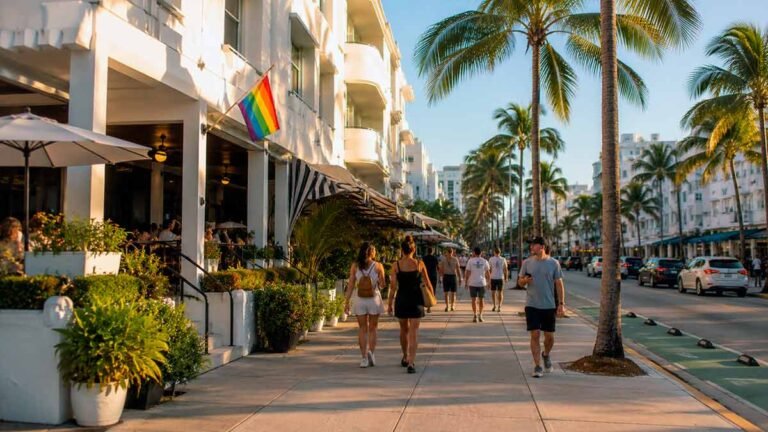
South Beach
South Beach feels busy and active.
Pros:
- Constant foot traffic
- Police presence
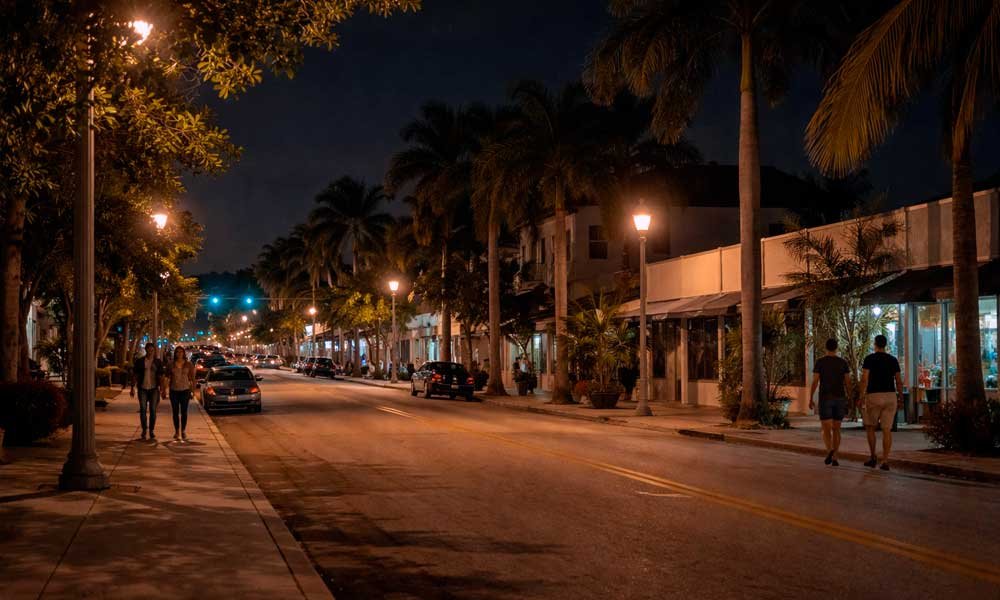
- Well-lit central streets
Cons:
- Nightlife increases risk of petty theft
- Alcohol-heavy environments late at night
Most issues in South Beach are opportunistic — not targeted.
If you stay aware, especially at night, the area is manageable for most visitors.
More detail:
Brickell
Brickell often feels the safest to first-time visitors.
Why?
- Corporate environment
- Residential high-rises
- Structured streets
- Less chaotic nightlife
It tends to feel cleaner and more controlled than tourist-heavy zones.
That doesn’t eliminate risk — but perception often plays in its favor.
Full area breakdown:
Downtown Miami
Downtown is more mixed.
Some blocks feel active and comfortable.
Others feel quieter and less polished at night.
It’s not inherently unsafe — but it requires more location awareness.
Choosing the right hotel block matters more here than in Brickell.
Detailed analysis:
Day vs Night: The Real Difference
Most areas feel comfortable during the day.
At night:
- Quieter streets can feel different
- Nightlife zones become more intense
- Alcohol-related incidents increase
Late-night decision-making matters more than daytime safety concerns.
If you:
- Avoid isolated blocks
- Don’t walk distracted
- Don’t flash valuables
You significantly reduce risk.
Tourist Mistakes That Increase Risk
Most problems happen because of behavior, not geography.
Common mistakes:
- Leaving phones on restaurant tables
- Walking alone late at night in unfamiliar blocks
- Getting heavily intoxicated in nightlife areas
- Accepting rides from unofficial drivers
These are avoidable.
Miami rewards awareness.
Safest Areas to Stay (General Perception)
While no area is zero-risk, many visitors report feeling more comfortable in:
- Brickell
- Central South Beach zones
- Well-located Downtown hotels
Comfort often comes from:
- Lighting
- Foot traffic
- Visible infrastructure
For full location comparison:
Areas Often Misunderstood
Some neighborhoods get labeled unsafe online without nuance.
Reality is usually more granular:
- Safety can change block to block
- Time of day matters
- Tourist-heavy areas attract both visibility and minor crime
Avoid extreme narratives.
Look at your hotel’s exact location and surroundings.
Practical Safety Checklist
Keep it simple:
- Stay aware after dark
- Avoid isolated streets
- Keep valuables secure
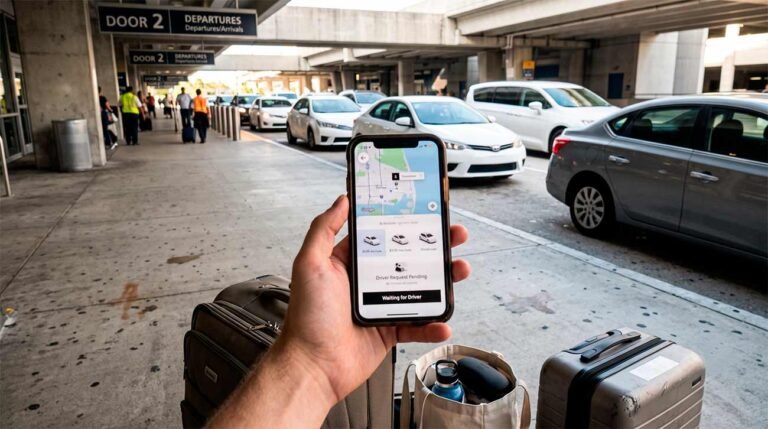
- Use official rideshare apps
- Choose accommodation in well-reviewed, central areas
Most visitors who follow these basics experience no problems.
Final Verdict
Miami is safe for tourists in most central areas — when common sense is applied.
The bigger factor is not whether the city is dangerous.
It’s whether you:
- Choose the right neighborhood
- Move through the city responsibly
- Avoid predictable tourist mistakes
If safety perception is your top concern, Brickell often feels most controlled.
If nightlife energy excites you, South Beach works — just stay aware.
Miami is not risk-free.
But it is manageable — especially when you make informed decisions about where you stay.