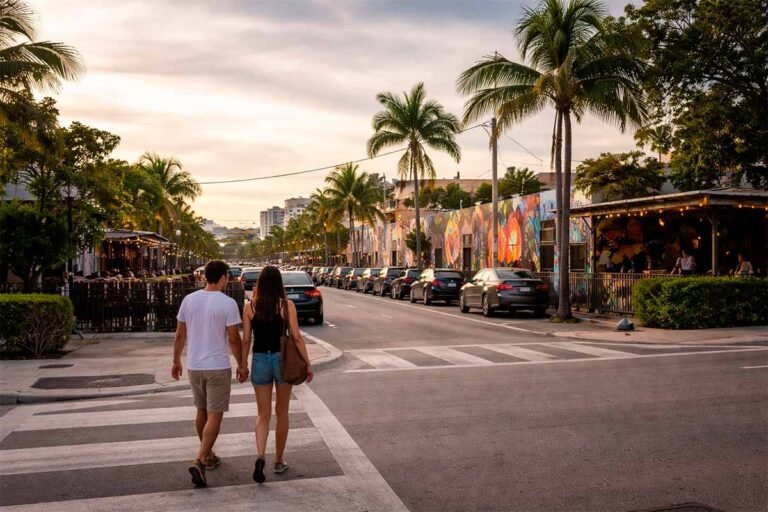


Most people imagine Miami as sunshine, beaches, shopping, nightlife, and palm trees. And honestly, most of the time, that’s exactly what visitors experience.
But Miami is also a large American city. And large cities come with different neighborhoods, different realities, and situations where travelers need basic awareness.
This article is based on a real experience I had during a previous trip, when I was robbed while walking at night. Not to scare anyone, but to help future visitors avoid mistakes I made and enjoy Miami with better planning and awareness.
Miami is still worth visiting. The goal here is simply to help you spend your trip enjoying the city, not dealing with unnecessary stress.
What Happened
One night, after midnight, I was walking between areas near Little Havana and other nearby streets. I didn’t fully understand how quickly neighborhoods can change in Miami, and I assumed the area was still safe because it was relatively close to tourist zones.
It wasn’t crowded. Streets were quiet, and I was walking instead of taking a car or rideshare.
A couple of people approached and took my belongings. There was no dramatic violence, but it was enough to turn the night into a stressful situation and ruin the mood of the trip.
The biggest lesson: I underestimated how important transportation choices are in Miami, especially at night.
What Surprised Me Most
What actually stood out after the incident was how fast and professional the response was.
Police arrived quickly after the report. They handled the situation calmly and professionally, explained procedures, and made sure everything was documented.
That part gave a feeling of institutional safety. The city works, and help is available. The problem wasn’t Miami as a whole — it was a bad decision about where and how I was moving around late at night.
And that distinction matters.
The Real Lessons for Visitors
The goal here isn’t fear. It’s awareness. The situation could likely have been avoided with a few simple decisions.
Avoid walking long distances late at night
Miami isn’t built like many walkable cities. Distances are longer, streets get empty, and walking between neighborhoods can put you in unfamiliar areas quickly.
Understand that neighborhoods change fast
In Miami, one street can feel normal, and two blocks later things feel completely different. Visitors often don’t notice these transitions.
Use rideshare or drive at night
Uber and Lyft are widely available and usually inexpensive compared to the problems they help avoid. Using a car at night is often safer and much more convenient.
Don’t walk distracted
Looking at your phone while walking, especially late at night, makes you an easy target anywhere in the world.
Stay alert even in tourist areas
Tourist zones are generally safe, but basic attention is always necessary in large cities.
None of this is unique to Miami. It applies to New York, Los Angeles, Paris, Barcelona, and most major destinations.
Understanding Miami’s Neighborhood Reality
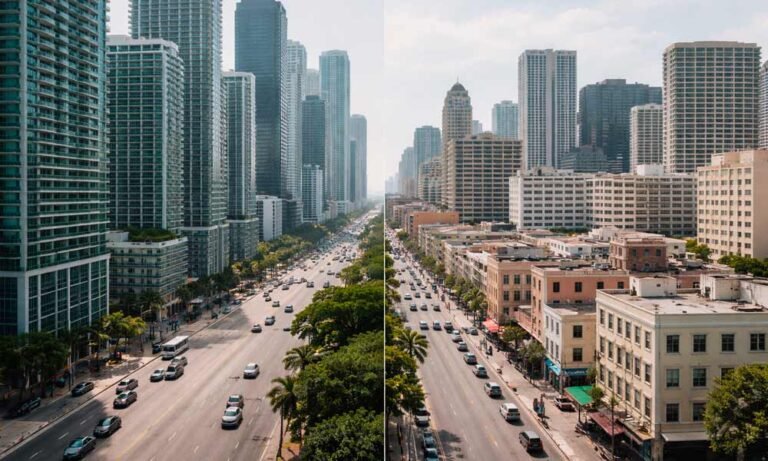
Miami isn’t a single environment. It’s a patchwork of neighborhoods with very different atmospheres.
There are areas like:
- Miami Beach tourist zones
- Brickell
- Coral Gables
- Downtown areas with heavy movement
And there are other zones where tourists rarely go and where walking late at night isn’t a good idea if you don’t know the area.
This is normal for large cities worldwide. The difference is that many visitors assume all of Miami feels like South Beach, which isn’t true.
Planning movements matters.
Mobility Is Part of Safety in Miami
One thing becomes clear after spending time in the city: Miami is designed around cars.
Walking long distances isn’t always practical, and public transportation doesn’t always connect tourist areas efficiently, especially late at night.
Having access to a car or regularly using rideshare services makes movement:
- easier
- faster
- more comfortable
- and often safer at night
This also avoids unnecessary exposure in unfamiliar areas.
We’ll explore transportation decisions in more detail in future guides, including when renting a car makes sense and when it doesn’t. But the key point here is simple: transportation choices affect safety and comfort during your trip.
So, Is Miami Safe for Tourists?
Yes, Miami is generally safe for tourists, especially in well-known areas and during normal travel routines.
But like any large city, problems can happen if visitors underestimate distances, walk through unfamiliar areas late at night, or assume every neighborhood feels like a tourist postcard.
Most visitors never experience any issues.
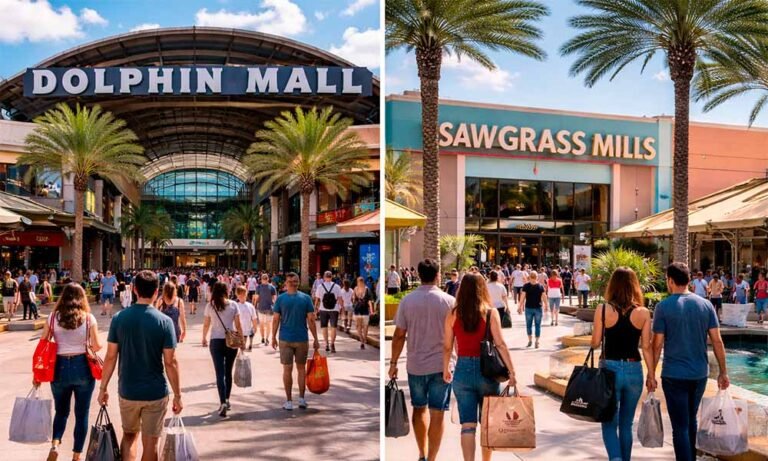
And the truth is: my trip had many great experiences before and after this incident. Beaches, restaurants, shopping, and the general energy of the city remain fantastic.
The lesson wasn’t “Miami is dangerous.”
The lesson was: travel smart, understand the city, and use common sense.
Final Thought: Miami Is Still Worth It
The purpose of sharing this experience is simple: help you enjoy Miami without making the same mistakes.
- Plan movements at night.
- Use rideshare or drive when needed.
- Stay aware of surroundings.
- Don’t assume every area feels the same.
Do that, and Miami becomes what most travelers experience: a fun, vibrant, diverse city worth visiting.
Travel isn’t about avoiding every risk. It’s about making smarter decisions so problems don’t ruin the experience.
And if this story helps one visitor avoid a bad situation, then it served its purpose.
Enjoy Miami — just do it with awareness, not fear.
And remember: if you ever feel unsafe or need help, dial 911 from your phone or ask someone nearby to call — emergency services in the U.S. respond quickly and are accessible to tourists too.