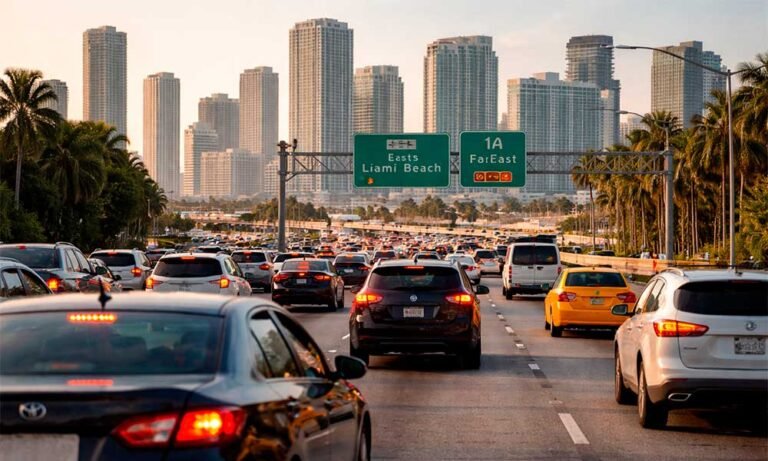

Navigating Miami safely requires understanding that neighborhood boundaries change drastically from one block to the next. While the city remains a global vacation destination, areas like Overtown, Liberty City, Brownsville, and Allapattah record elevated rates of violent crime, vehicle break-ins, and robbery, making them unsuitable for tourist stays or casual exploration. Meanwhile, popular cultural hubs like Wynwood, Little Havana, and Downtown Miami are generally safe along heavily trafficked main streets during the day, but carry safety risks on quiet side streets or after dark. Knowing where these geographical lines fall prevents travelers from falling into low-cost lodging traps that trade personal security for cheap daily rates.
The Cheap Airbnb Math: How “Discount” Lodging Costs You More
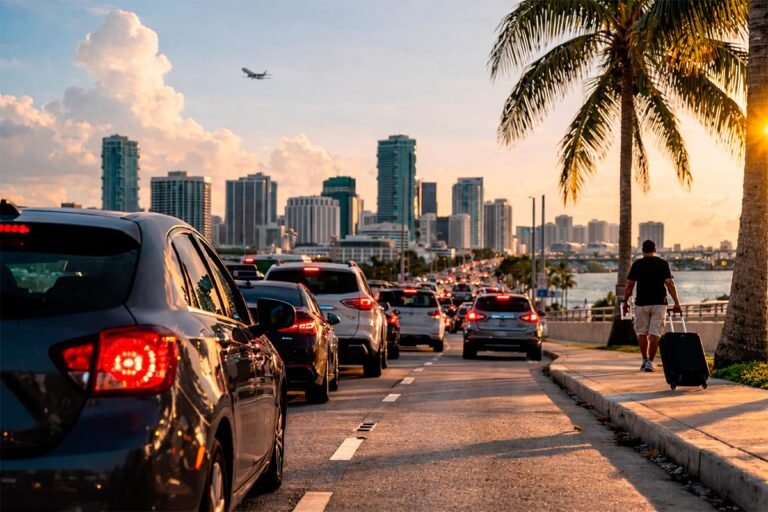
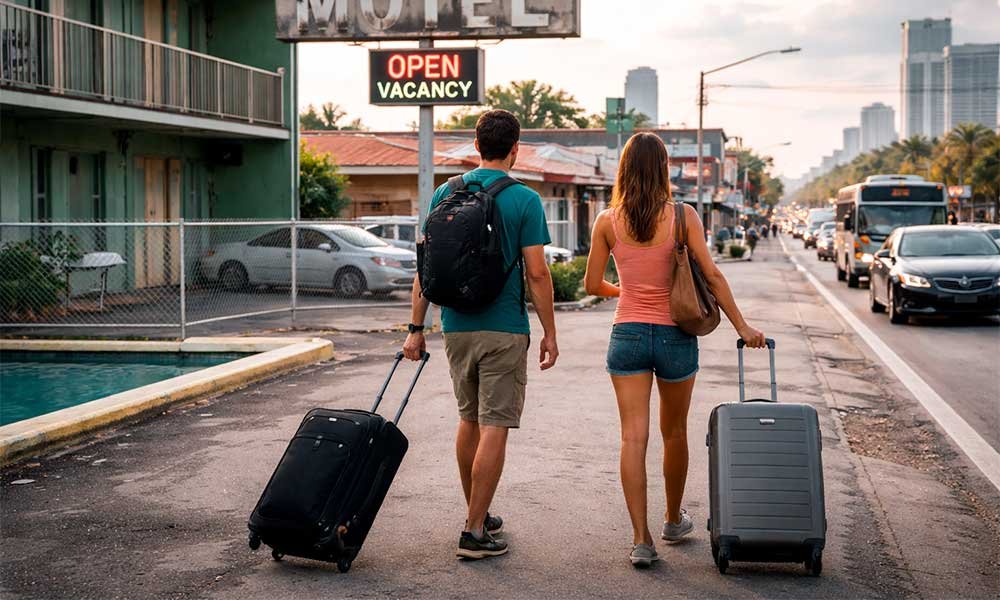
Booking accommodation in high-risk perimeter zones to save money on daily room rates rarely translates to real savings. When you factor in late-night transportation costs, valet parking surcharges, and potential vehicle damage, the hidden expense of staying in an unsafe zone quickly eliminates any initial discount.
| Cost Element | Perimeter Risk Zone (e.g., Overtown / Allapattah) | Established Tourist Zone (e.g., Brickell / Mid-Beach) |
| Base Room Rate | $110 / night | $240 / night |
| Mandatory Late-Night Uber/Lyft | $60–$90 / day (cannot walk safely) | $0–$20 / day (walkable corridors) |
| Street Parking Break-In Risk | High ($500 deductible risk) | Low (Monitored garage/valet) |
| Daily Effective Expense | $170–$200 / night (plus security risk) | $240–$260 / night (predictable, safe) |
Beyond the cash outlay, staying in an off-limit area forces you to plan every departure and arrival around vehicle transport. Walking out of a hotel lobby to grab a quick coffee or late-night bite becomes an unnecessary security hazard rather than a vacation convenience.
The High-Crime Red Zone: Neighborhoods to Exclude From Your Search
Certain Miami neighborhoods consistently log crime rates well above state and national averages. These areas lack tourist infrastructure, offer no major sights, and present genuine safety risks for visitors wandering through or booking lodging.
Overtown: The Most Common Lodging Mistake
Overtown sits immediately west of Downtown Miami and directly south of Wynwood. Despite its historical music heritage, Overtown remains one of Miami’s highest-crime residential areas, recording elevated rates of armed robbery, assault, and narcotics activity.
Because Overtown borders trendy artistic districts, vacation rental platforms often label these listings as “Near Wynwood” or “Greater Downtown.” Walking through Overtown at night—especially under the dark I-95 highway overpasses—is unsafe. Do not book accommodation within Overtown boundaries, bounded roughly by NW 5th Street to the south, NW 20th Street to the north, I-95 to the east, and NW 1st Avenue.
Liberty City (Model City): Elevated Violent Crime Risks
Located further northwest, Liberty City has long struggled with systemic poverty, gang activity, and frequent firearm-related offenses. The area is entirely residential and commercial-industrial, lacking pedestrian-friendly zones, guarded hotel inventory, or tourist amenities. There is no strategic reason for a visitor to stay in, drive through, or explore Liberty City.
Allapattah & Brownsville: Property Crime and Vehicle Theft
- Allapattah: Positioned west of Wynwood, Allapattah is primarily an industrial and auto-repair hub. While it houses niche cultural spots like the Rubell Museum, the broader neighborhood sees high rates of auto theft, window smash-and-grabs, and petty street crime. Leaving a rental car parked on the street overnight in Allapattah carries a high probability of property damage.
- Brownsville: Bordering Liberty City to the west, Brownsville logs high crime indexes across property and violent categories. Public transit stops in this area report frequent street muggings after sunset. Keep Brownsville off your driving or lodging itinerary.
Safe by Day, Caution by Night: Navigating Miami’s Transition Zones
Not every neighborhood requires a total boycott. Some of Miami’s most famous cultural districts are safe and rewarding to visit during business hours, but require strict boundaries once dark.
Wynwood: Staying Within the Commercial Core
Wynwood is world-famous for street art, breweries, and dining. However, its rapid development leaves distinct safety borders.
- The Safe Corridor: NW 2nd Avenue between NW 20th Street and NW 29th Street, along with the immediate Wynwood Walls plaza, is well-lit, heavily patrolled, and active with visitors.
- Where Risk Increases: Heading west past NW 5th Avenue or east toward the industrial railway tracks puts you into deserted warehouse blocks. Mugging risks increase significantly in these unlit side streets after 10 PM.
- Actionable Rule: Enjoy the restaurants and bars on NW 2nd Avenue, but order your rideshare directly from the venue entrance rather than walking several blocks into dark side streets to save on surge pricing.
Little Havana: Sticking to Calle Ocho
Little Havana offers incredible Cuban food, live music, and historic parks, but safety varies depending on your exact block.
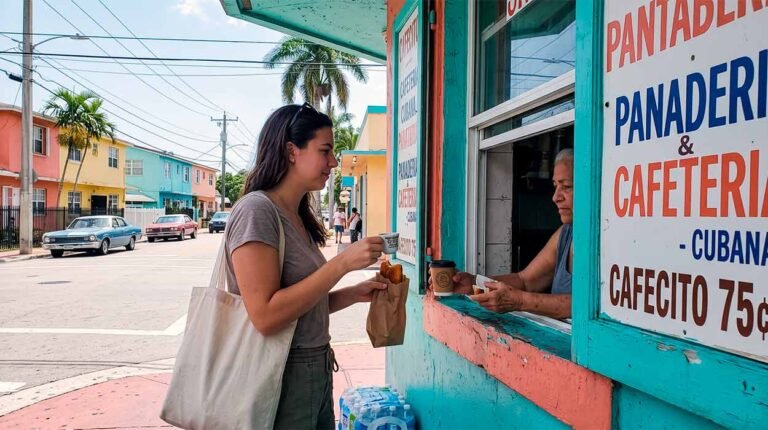
- The Safe Corridor: SW 8th Street (Calle Ocho) between SW 12th Avenue and SW 17th Avenue is vibrant, safe, and heavily frequented by tourists during the day and early evening.
- Where Risk Increases: The residential blocks north of NW 1st Street and areas extending west past SW 22nd Avenue report elevated residential gang activity and muggings late at night.
- Actionable Rule: Visit Calle Ocho for afternoon cafecito, domino games at Maximo Gomez Park, or evening dining. Avoid walking deep into residential side streets north or south of the main strip after dark.
Downtown Miami: The Post-Business Empty-Out
Downtown Miami functions as a bustling financial and government center from 8 AM to 6 PM. Once office workers clear out, central Downtown undergoes a noticeable shift.
- The Safe Zones: Biscayne Boulevard, the Bayfront Park perimeter, and the high-end hotel clusters near Brickell Key remain secure.
- The Caution Zones: Inner blocks around Flagler Street, the Central Metrorail station, and the streets surrounding the Downtown bus terminal experience high concentrations of unsheltered populations, open-air drug activity, and verbal harassment after business hours.
- Actionable Rule: Staying at a major chain hotel on Biscayne Boulevard is fine, but avoid taking long late-night walks through inner Downtown blocks.
Micro-Borders and Unexpected Safety Pitfalls
Even well-known, wealthy neighborhoods in Miami contain subtle boundary shifts that surprise unprepared travelers.
Coconut Grove: The East vs. West Divider
Coconut Grove is widely recognized as one of Miami’s safest, most peaceful enclaves. However, it features a stark micro-border along Grand Avenue.
- East Coconut Grove: Lush, highly affluent, safe, and packed with boutiques, outdoor cafes, and waterfront parks along Biscayne Bay.
- West Coconut Grove (The Village West): Historically under-resourced, this residential area experiences higher rates of property crime and street disputes.
- The Boundary: Stay east of McDonald Street (NW 32nd Avenue) when booking rentals or walking at night.
South Beach: Scams, Furtive Theft, and Late-Night Beach Hazards
South Beach is heavily patrolled by police and carries a low risk of unprovoked violent crime. However, it presents distinct consumer and property safety hazards:
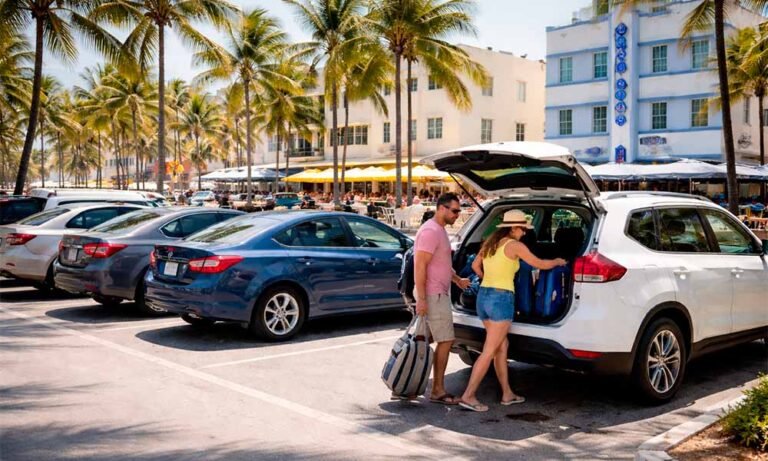
- Ocean Drive Bill Padding: Restaurants along Ocean Drive between 5th and 15th Streets frequently auto-add 18% to 20% service charges alongside additional “resort taxes” or mandatory fees in small print. Always check itemized receipts before paying.
- Unattended Beach Belongings: Petty theft on the sand is common. Leaving phones, wallets, or rental keys unattended while swimming in the ocean is a guaranteed way to lose them.
- The Beach After Dark: The actual sand/beach area past the Lummus Park paved path is unlit and closed after 10 PM. Walking on the sand at night exposes you to opportunistic robberies. Stay on the paved sidewalks.
Real-World Scenarios: Smart Booking vs. Budget Misstep
To see how neighborhood choice impacts a real trip, consider two typical travel planning choices for a four-night Miami stay.
Paying a slightly higher upfront room rate in an established district frequently results in a cheaper, significantly better overall vacation experience.
Where You Should Stay Instead: Safe Miami Neighborhoods
If you want a stress-free trip with walkable amenities, low crime rates, and reliable infrastructure, focus your accommodation search on these proven districts:
Practical Navigation Rules for a Safe Trip
- Verify Addresses on Satellite Maps: Before placing a non-refundable deposit on a rental, paste the exact street address into Google Maps. If the property sits west of I-95 between NW 6th Street and NW 36th Street, rebook elsewhere.
- Never Leave Bags in Rental Cars: Auto burglaries are the single most common crime affecting tourists in South Florida. Keep luggage, cameras, and shopping bags locked in your hotel room or hidden in the trunk before arriving at your destination.
- Use Official Rideshare Apps: Avoid unmarked “gypsy cabs” or unsolicited drivers offering rides outside Miami International Airport (MIA) or nightlife venues. Stick strictly to Uber, Lyft, or flagged official yellow taxis.
- Mind the Service Charges: When dining anywhere in South Beach, Wynwood, or Downtown, read your check carefully. Most establishments automatically include a 18% to 20% gratuity under “Service Charge.” Adding an extra tip on top is optional.
Smart Neighborhood Choices: Balancing Safety, Budget, and Miami Reality
Choosing where to stay in Miami comes down to recognizing that geographic proximity on a map does not equal accessibility or safety on the ground. Avoiding high-risk zones like Overtown, Liberty City, Brownsville, and Allapattah protects both your personal safety and your travel budget. By anchoring your hotel search in established areas like Brickell, Coral Gables, or central Beach corridors—and respecting late-night boundaries around Wynwood and Little Havana—you enjoy the best of Miami without paying for the hidden costs of a bad location.
Frequently Asked Questions
Can you safely walk from Wynwood to Downtown Miami?
No. Walking between Wynwood and Downtown Miami requires crossing directly through Overtown and passing under dark I-95 highway overpasses. While the distance is only about 1.5 miles (2.4 km), the route is unsafe for pedestrians, especially at night. Always take a short Uber or Lyft ride between these two neighborhoods.
Is public transit in Miami safe for tourists to use?
The Metromover (the free elevated loop in Downtown and Brickell) is clean, efficient, and very safe during operating hours. The broader Metrorail system and county buses are generally safe during daylight hours, but safety decreases late at night around central transfer stations. For late-night travel, rideshares remain the safest option.
Are hotels near Miami International Airport (MIA) in safe areas?
Hotels located along major airport corridors (like LeJeune Road or Blue Lagoon Drive) are secure and fine for quick layovers. However, the immediate industrial zones surrounding the airport lack foot traffic, offer zero tourist amenities, and have higher rates of vehicle break-ins. They are not recommended for extended vacation stays.