
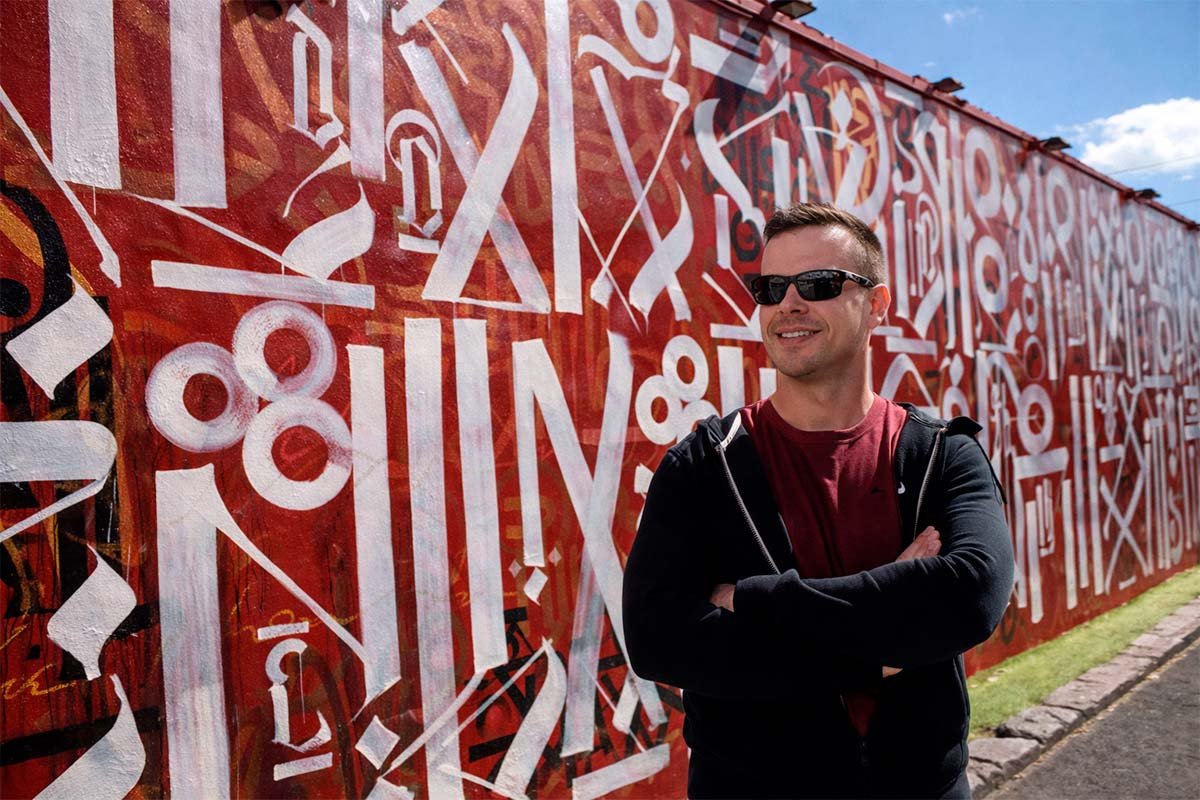
The Author
If you are looking for a travel guide written by someone who visited Miami once and spent a week in a hotel lobby, you are in the wrong place. My perspective on the 305 wasn’t built on a single vacation or a move-in date. It was forged through 23 years of consistent work, regular visits, and deep-rooted professional experience in the city that began in 2003.
I am the founder and editor of Miami The Hype. Over the last two decades, I have watched Miami transform from a seasonal beach destination into a complex, high-stakes global metropolis.
I didn’t just witness this change; I audited it. I’ve lived through the shifting traffic patterns, paid the “tourist taxes,” and seen firsthand how the glossy marketing of the city often clashes with the cold logistics of being here.
My mission is to give you the filter you need to enjoy Miami on your own terms, without the expensive mistakes.
The 2003 Evolution: Witnessing the Rise of a Global Hub
When I first started working and visiting Miami in 2003, the city was a different beast. Brickell was a quiet financial district that turned into a ghost town after 6:00 PM. South Beach was the only true pulse of the city, and neighborhoods like Wynwood or the Design District weren’t even on a traveler’s radar.
Since those early days, I have returned to Miami year after year, documenting its growth and its traps. I saw the rise of the vertical skyline, the expansion of the causeways, and the post-pandemic surge that sent prices—and hype—into the stratosphere. This 23-year timeline is what separates this site from the rest. It gives me a historical context that a casual visitor simply cannot have. I know when a “new” hotspot is actually a construction zone in disguise, and I know when an “iconic” experience is just an overpriced relic of the past.
The 23-Year Shift: Why a Strategy is No Longer Optional
In 2003, you could “wing it” in Miami. You could land at MIA, grab a rental car, and find a decent spot for dinner on Ocean Drive without feeling like you were being audited by a high-pressure sales team. The city was laid back, the traffic was predictable, and the hidden fees were almost non-existent.
Fast forward to 2026, and the “lazy Miami” of the past is gone. It has been replaced by a hyper-efficient, high-cost machine that operates on Drip Pricing—the art of hiding the real cost of your vacation until it’s too late to say no.
This is why my 23-year perspective matters to you today. I’ve seen the exact moment when valet parking went from a convenience to a $70-a-night “mandatory tax.” I’ve watched the tipping culture shift from a gesture of gratitude to a pre-printed 20% “service charge” on a bottle of water.
Miami in 2026 is a tactical environment. If you don’t have a strategy for the MacArthur Causeway, the traffic will eat two hours of your day. If you don’t have a formula for your hotel’s Real Daily Rate (RDR), you will leave the city feeling like you’ve been scammed. My goal with this site is to apply two decades of “logistical scar tissue” to your itinerary so you can enjoy the best of the 305 without paying the high price of being a novice.
The Birth of Miami The Hype: Why I Became an Auditor
For the first decade of my relationship with Miami, I paid what I now call the “Miami Tax.” This isn’t a government fee; it’s the thousands of dollars and hundreds of hours you lose when you don’t understand how the city’s machinery actually works.
I created Miami The Hype because I realized there was a massive gap in travel information. Most sites are designed to sell you a fantasy; they want you to click “book now” so they can earn a commission. Very few were willing to tell you that a $40 Uber surge is often better than a rental car that costs $60 a night just to park, or that a “must-see” mall might actually be a waste of a vacation day due to poor inventory.
I wanted to build a resource that prioritized Math over Hype. I wanted to create a site where we audit the reality of the 305, focusing on spending and buying decisions rather than just “pretty spots.” If you want to dive deeper into the specific vision and rules that guide every piece of content we produce, you can find our full methodology on the About Us page.
My Methodology: The “Is It Worth It?” Factor
On this site, we treat your travel budget like our own. We don’t use “fluff” words to fill space. We don’t tell you a place is “stunning” just because it has a nice view. We analyze the value. Our editorial process is built on three tactical pillars:
- The Real Daily Rate (RDR): We calculate the actual cost of a stay, including the hidden taxes, resort fees, and service charges that booking sites hide until the final screen.
- Logistical Auditing: We prioritize your time. If an attraction involves three hours of traffic and a steep parking fee for a mediocre photo, we will tell you to skip it.
- Consumer Advocacy: We audit mall inventory churn and sales tax traps so you can make shopping decisions based on facts, not marketing FOMO.
The Human Side: Miami Worth It
Beyond the technical logic of spending, I also publish Miami Worth It. If this site is about how to spend, Miami Worth It is the “human” version of that same effort—a project built under the mantra “Don’t be afraid of Miami”.
It is designed to help readers look past the noise and the intimidation of the city to see what actually makes sense on a personal level. It is where the practical judgment of Miami The Hype meets the actual experience of being here.
You can find the sister site at miamiworthit.com.
A Global Commitment to Independent Advice
Whether you are flying in from London, Toronto, São Paulo, Los Angeles, or NYC, my goal is to provide a clear, jargon-free tactical map of Miami. I am not a promoter, and I don’t work for the city’s tourism boards.
I am an independent editor who values transparency above all else.
I believe that travel is better when you have a friend on the ground who isn’t afraid to tell you the truth. My 23 years of visiting, working, and auditing this city have taught me that the best experiences in Miami are the ones you plan for with clear eyes.
If you have questions about a specific guide or want to share your own findings from a recent trip, please feel free to Contact Us. I am here to make sure you enjoy the 305 on your own terms, without the expensive mistakes.