
A lot of alcohol mistakes in Miami do not look like mistakes at first. They start when a cashier refuses a late-night sale, when a drink leaves the bar and suddenly becomes a problem, or when a simple night out costs more than expected.
Miami can feel relaxed around nightlife, but the rules are not. If you get the basics wrong, you can waste money, lose time, and ruin the plan before the night even starts. Florida’s default rule says licensed places cannot sell, serve, or allow alcohol consumption between midnight and 7 a.m. unless a county or city ordinance allows different hours.
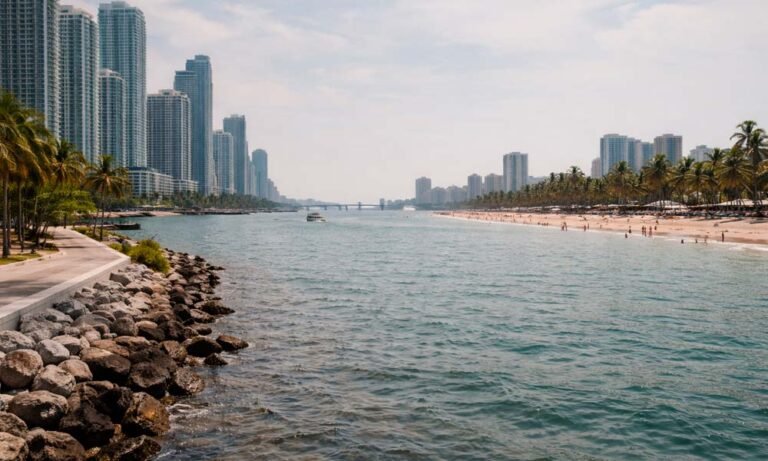
This is what confuses so many visitors: there is no single “Miami alcohol rule” that works the same way everywhere. But in Miami Beach, which is where many tourists test these limits, the city is very clear about the part that causes the most trouble in real life: consumption of alcohol in public is illegal, and alcohol is always prohibited on city beaches.
Quick reality check
| Situation | What many tourists assume | What actually happens | Smarter move |
|---|---|---|---|
| Buying alcohol late at night | “If the store is open, they can sell it.” | Florida’s default rule blocks licensed alcohol sales and service from midnight to 7 a.m. unless local law says otherwise. | Buy earlier if you want drinks for the hotel. |
| Walking around with an open drink | “If I keep it low-key, it’s probably fine.” | In Miami Beach, consuming or possessing an open container in a public place is unlawful unless the city has specifically designated that area for it. | Finish the drink inside the licensed space or in a clearly permitted area. |
| Using a brown paper bag | “If the bottle is covered, it won’t matter.” | Covering the container does not create an exception. The rule is about the open container in public, not whether the label is visible. This is an inference from the ordinance language. | Do not treat a paper bag as legal protection. |
| Taking drinks toward the beach | “South Beach is a party area, so this is probably fine.” | Miami Beach says alcohol is always prohibited on city beaches. | Keep beach time and drinking time separate. |
| Going out without proper ID | “I’m clearly over 21, so it won’t matter.” | Florida law is strict on under-21 alcohol sales, and the statute lists a passport among the documents a venue may rely on. | Carry a physical passport if buying alcohol is part of the plan. |
Leaving the alcohol purchase for the end of the night
This is one of the easiest mistakes to make because it feels harmless.
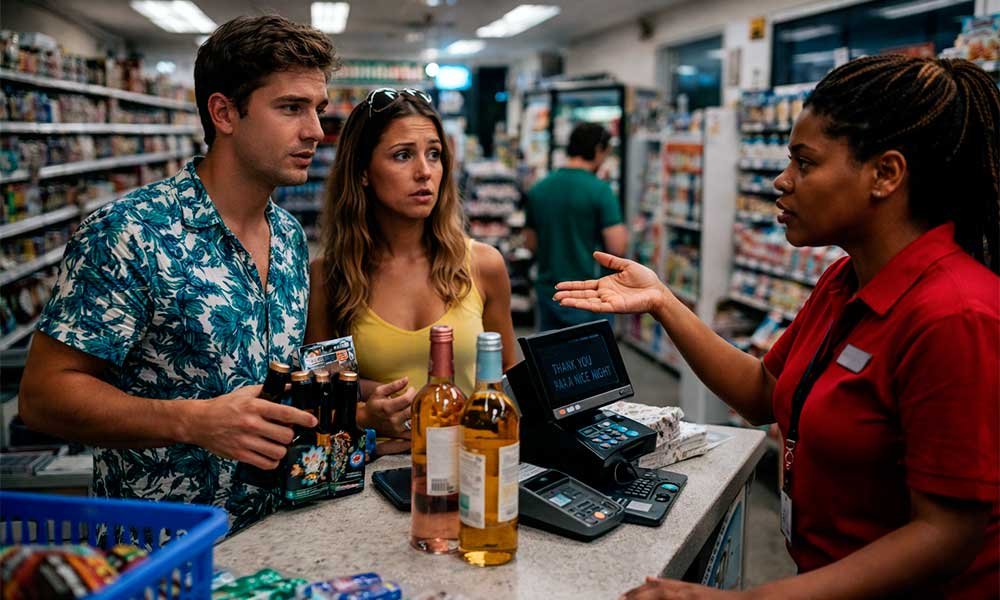
You finish dinner. You walk a little. You decide to stop at a pharmacy, supermarket, or convenience store before going back to the hotel. The bottles are on the shelf. The store is still open. Then the cashier says no.
That moment feels random only if you do not know the rule. Florida’s default statute says licensed places cannot sell, serve, or allow alcohol consumption between midnight and 7 a.m. unless local law provides different hours. That is why the same assumption can work in one place and fail in another.
The practical fix is simple: if you already know you want drinks for later, buy them earlier. Do not leave that decision for after dinner, after a bar, or after a long night out.
The street is not an extension of the bar
This is the mistake a lot of visitors make because South Beach looks more permissive than it really is.
In Miami Beach, the city code says it is unlawful to consume, serve, sell, or possess an open container of any alcoholic beverage in any public place unless that area has been specifically designated and approved for it. The city also says public alcohol consumption is illegal.
That means the line matters. A drink that is fine inside a licensed venue does not automatically stay fine once you step onto the sidewalk, the street, an alley, a park, or the beach. Miami Beach’s ordinance is built around exactly that problem. It also says alcohol establishments may not knowingly allow a person to leave the licensed premises with an opened or unsealed alcoholic beverage container.
That part is stronger than it sounds. It tells you the city is not treating this like a technicality. It is treating it like a common public-order issue that venues and visitors are both expected to understand.
The brown paper bag myth
A lot of people think the problem is visibility. It is not.
Some people hide a beer or bottle in a brown paper bag, and some liquor stores even sell or hand out paper bags as normal packaging. But in Miami Beach, the legal issue is not whether the label is visible. The issue is the open container in a public place. The ordinance does not create a “paper bag” exception. That is why covering the bottle does not turn street drinking into something protected. This is an inference from the ordinance language, but it is the practical reading that fits the text.
So if someone tells you that keeping the drink hidden makes it fine, that is not a rule you should trust your night to.
The beach is not a loophole
Some tourists treat the beach as if it were a gray area. In Miami Beach, it is not.
The city says alcohol is always prohibited on city beaches. Its public guidance repeats that point clearly, and the spring-break enforcement pages repeat it again.
So if your plan includes beach time, do not build it around bringing alcohol there. That is one of the simplest ways to avoid turning a fun plan into an unnecessary problem.
Going out without the right ID
A lot of international visitors underestimate how conservative alcohol ID checks can be in the U.S.
Florida law prohibits selling, giving, or serving alcohol to anyone under 21. The same statute says a seller has a defense if the seller carefully checked certain documents in good faith, and that list includes a passport. That does not mean every venue checks ID the same way, but it does make one thing clear: a physical passport is one of the documents the law specifically recognizes in age-verification situations.
So if alcohol is part of the plan, carrying real ID is the safer move. A screenshot, a hotel copy, or “I obviously look old enough” is not the kind of gamble worth taking on a night out.
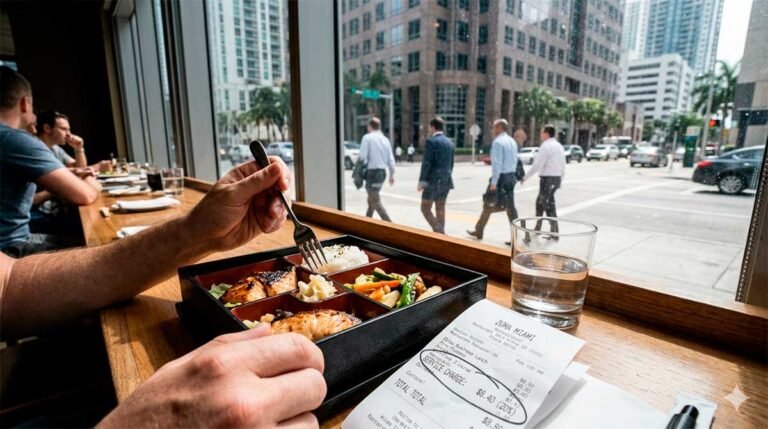
Forgetting that the menu price is rarely the final price
This part is less dramatic, but it quietly eats money.
Florida imposes a 6% state sales tax, and counties may add local surtaxes. The current Florida Department of Revenue table shows Miami-Dade at 1.5% discretionary surtax in 2026. Miami Beach also says restaurants, bars, and nightclubs selling food and alcoholic beverages are subject to a 2% resort tax on those sales.
That does not mean every bill across Greater Miami will look identical. It does mean the number you see on the menu is not the number you should use when judging the real cost of a night out.
Why March makes this easier to get wrong
This is the part that needed to be clearer.
March is not important because the basic alcohol law suddenly changes everywhere. March matters because Miami Beach adds an extra layer of enforcement and restrictions during spring break, especially in the South Beach area where tourists are most likely to improvise.
In 2026, the city says package liquor stores in the Art Deco District must follow the regular 8 p.m. closing time, and the city’s spring-break pages emphasize extra police enforcement and restricted beach access on key weekends.
That makes the same bad assumptions more expensive than usual. A tourist who thinks, “I’ll just buy something later,” “I’ll walk with this for a minute,” or “we’ll stop by the beach first and figure it out there,” is more likely to run into a problem in March because the city is paying closer attention and narrowing the margin for sloppy decisions.
That is why March belongs in this article: not as the main rule, but as the month when casual mistakes become easier to make and harder to get away with. This is partly an inference from the city’s seasonal enforcement plan.
What to check before buying or carrying alcohol in Miami Beach
| Check this first | Why it matters |
|---|---|
| What time is it? | A late sale can fail even in an open store because Florida’s default rule blocks licensed alcohol sales and service between midnight and 7 a.m. unless local law changes it. |
| Are you taking the drink into a public place? | In Miami Beach, open containers in public places are unlawful unless the city has specifically designated the area for that use. |
| Is the bottle just hidden in a paper bag? | That does not change the open-container rule. The problem is the opened drink in public, not whether the label is visible. This is an inference from the ordinance text. |
| Are you heading to the beach? | Miami Beach says alcohol is always prohibited on city beaches. |
| Do you have real ID? | A passport is one of the documents Florida law specifically lists for age-check purposes. |
| Is your trip in March? | Miami Beach may apply extra spring-break measures, including 8 p.m. packaged-liquor closing in the Art Deco District and heavier enforcement in South Beach. |
Final verdict
The biggest alcohol mistake in Miami is not ordering the wrong drink. It is assuming the city works on obvious, forgiving rules.
It does not.
The smarter approach is much less dramatic: buy earlier, carry proper ID, do not treat the street like an extension of the bar, do not assume a brown paper bag solves anything, and do not bring alcohol to Miami Beach beaches. And if your trip is in March, assume less and check more, because that is when Miami Beach is most likely to tighten the screws on bad nightlife decisions.