
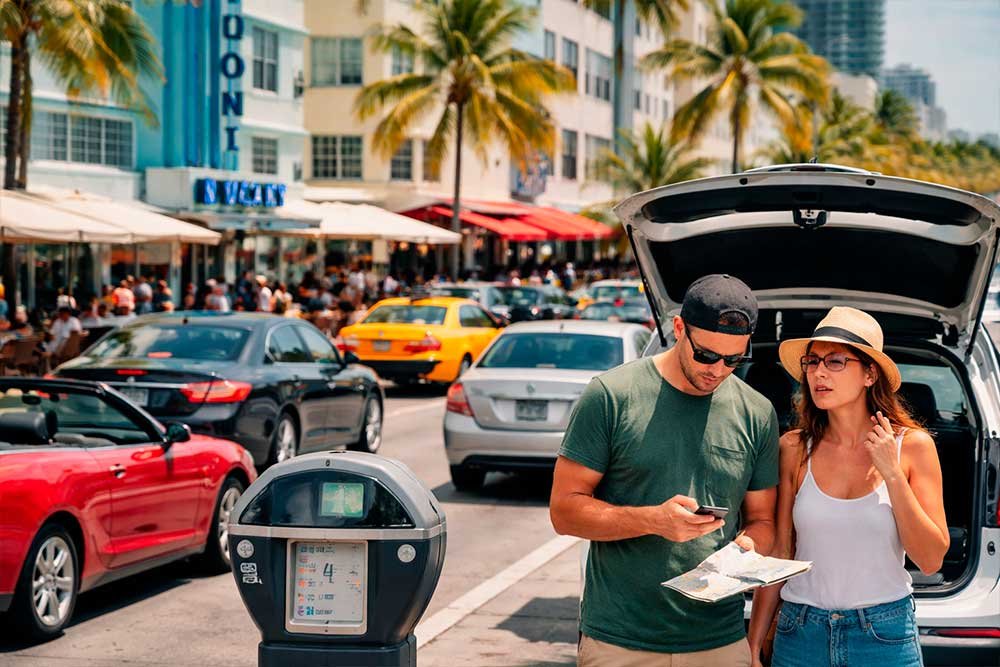
7 Things Not to Do in Miami (Tourist Mistakes That Cost Money)
Most travel guides focus on what to do in Miami.
But understanding what not to do in Miami is often more important.
Beaches, shopping, restaurants, nightlife, sunshine. That part is easy.
What is not always easy is understanding how the city actually works before you start spending money.
That is where many trips go wrong.
Not because Miami is a bad destination, but because people arrive with the wrong expectations. They assume the city is simpler, cheaper, smaller, or more convenient than it really is.
Then the mistakes begin: bad hotel choices, unnecessary car costs, shopping disappointments, wasted time in traffic, and money disappearing faster than expected.
This is not a list of dramatic warnings. It is a practical guide to the mistakes that can quietly make a Miami trip more expensive and more frustrating than it needs to be.
1. Don’t underestimate Miami’s weather
Miami weather is part of the appeal, but it is also one of the easiest ways to ruin your own plans.
A lot of visitors imagine a clean version of “warm and sunny.” What they get instead can be intense heat, heavy humidity, sudden rain, strong sun exposure, and a level of exhaustion that changes the whole rhythm of the day. Even people who like hot weather sometimes realize too late that walking around, shopping, or moving between neighborhoods feels different in Miami than it does in a milder city.
This matters financially too. Weather mistakes create extra ride-share costs, rushed last-minute purchases, indoor backup plans, and wasted time. A day that looked easy on paper can become expensive once you start changing transportation, meal timing, or activity choices because you are too hot, too wet, or simply drained.
The practical decision is not to fear the weather. It is to respect it. Dress for heat, not for photos. Keep plans flexible. Avoid building an itinerary that assumes you will feel comfortable outdoors all day.
2. Don’t assume Miami is easy to get around
One of the biggest tourist mistakes in Miami is thinking the city works like a compact vacation destination. It does not.
Miami is spread out.
Distances that seem manageable on a map often take more time, more planning, and more patience than people expect. Traffic changes the feel of the city. So does the gap between where you stay, where you shop, where you eat, and where you spend most of your time.
This is why people end up building unrealistic days. They book a hotel in one area, make restaurant plans in another, want to shop somewhere else, and still assume the day will flow naturally. In practice, it often becomes a sequence of delays, parking decisions, ride-share costs, and time lost in transit.
The mistake is not choosing Miami. The mistake is treating Miami like a city where movement is frictionless.
Before paying for attractions, restaurant reservations, or shopping plans, think about geography. A “good plan” in Miami is often not the most ambitious one. It is the one with fewer unnecessary crossings and fewer assumptions about travel time.
This connects directly with What Miami Traffic Is Really Like (And How It Affects Your Trip).
3. Don’t treat parking as a small detail
Parking in Miami is not a background issue. For many visitors, it becomes part of the budget problem.
People often focus on airfare, hotel, and shopping money, but they underestimate what repeated parking decisions can do to the total trip cost. Even when individual charges do not look dramatic, they add up quickly. Parking also changes behavior. It affects where you go, how long you stay, whether you move the car again, and how convenient a plan really is.
That matters even more if you rented a car assuming it would make the trip easier by default.
A car can help in Miami. It can also become a source of hidden spending, stress, and low-value convenience if you do not truly need it for your itinerary. The problem is not just the rental itself. It is the chain of extra costs and decisions that follows.
A lot of tourists realize too late that they were not simply paying for transportation. They were paying for access, flexibility, and repeated logistical friction.
If you want to understand that part of the trip better:
- The Hidden Cost of Parking in Miami (What Tourists Don’t Calculate)
- Is Renting a Car in Miami Worth It or a Waste of Money?
4. Don’t ignore the real cost of visiting Miami
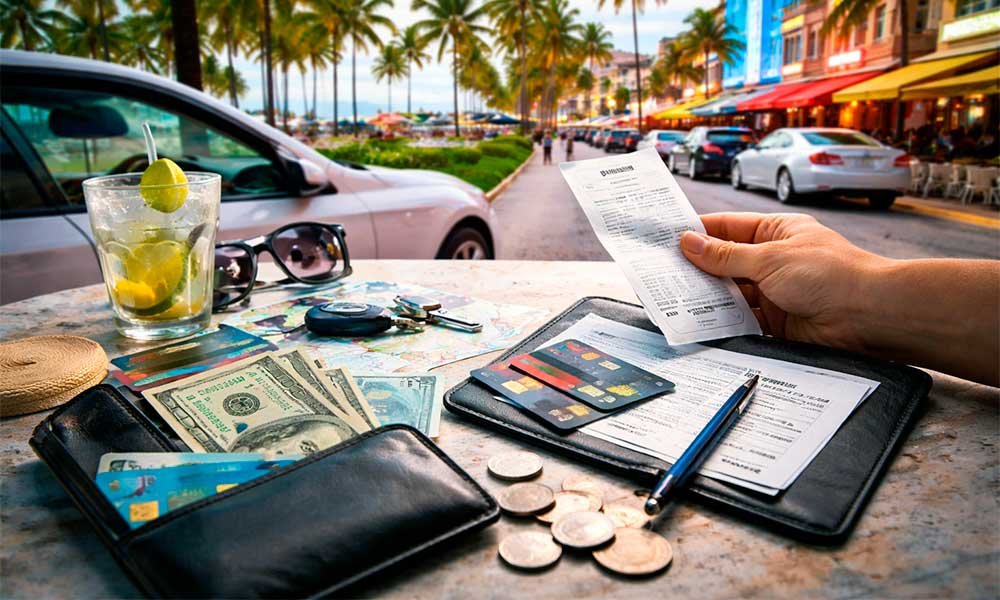
Miami has a reputation that confuses people.
Some travelers arrive expecting luxury and prepare for high spending. Others arrive expecting smart deals, outlet savings, and a manageable vacation budget.
What often happens is something in between: Miami offers both value and waste, but the waste appears faster if you do not understand where the money goes.
The mistake is not simply “spending too much.” The real mistake is underestimating how many medium-sized costs accumulate during a normal trip. Transportation, parking, restaurant premiums, convenience purchases, location mistakes, and overspending in tourist-heavy areas can quietly do more damage than one big splurge.
This is why budget mistakes in Miami often feel strange. People do not always remember one absurd purchase. They remember a trip that somehow became much more expensive than expected.
A smarter approach is to separate essential spending from situational spending. Where are you paying for real value? Where are you paying because you planned badly, stayed in the wrong place, or followed a tourist assumption that did not hold up in real life?
That is the difference between “Miami is expensive” and “my version of Miami became expensive.”
- How Much Money You Really Need Per Day in Miami
- Hidden Costs in Miami Tourists Don’t Expect (And Why They Add Up Fast)
- Miami on a Budget: Where Money Disappears Fast (Without You Noticing)
5. Don’t assume all shopping in Miami is worth it
Miami has a strong shopping image, but that image is part of the trap.
A lot of people come to Miami with the idea that shopping there is automatically smart, automatically cheaper, or automatically more exciting than buying at home. Sometimes it is worth it. Sometimes it is not. And sometimes the biggest mistake is not overpaying, but wasting time chasing a version of Miami shopping that does not match your priorities.
Not every mall delivers the same experience. Not every outlet is a good use of time. Not every store district fits the image people build before the trip. Some visitors confuse popularity with value. Others confuse size with quality.
Others still assume that because Miami is famous for shopping, every shopping stop will feel rewarding. That is rarely true.
A better shopping decision in Miami starts with one simple question: what exactly are you trying to get out of it? Better prices? Better selection? A luxury experience? Convenience? A tourist outing with shopping attached? Those are different goals, and they do not lead to the same places.
When tourists skip that question, shopping becomes vague and expensive. They move around too much, compare the wrong places, buy because they are already there, or build a whole day around stores that were never a strong fit.
- Aventura Mall in Miami: Overrated or Actually Worth It?
- Best Outlets in Miami: Which One Is Actually Worth It?
- Dolphin Mall vs Sawgrass Mills: Which Is Better for Tourists?
- Mistakes Tourists Make When Shopping in Miami
6. Don’t assume every area in Miami works the same for your trip
This is one of the most expensive mistakes because it affects almost everything else.
People often choose where to stay based on price, image, or a vague sense that “Miami is Miami.” But different areas create very different trips. What looks like a good hotel deal can become a bad decision if it leaves you too far from where you actually want to spend time. What sounds exciting in theory can feel inconvenient in practice. What looks central enough on a map may not behave that way during a real trip.
This mistake matters because hotel decisions do not stay inside the hotel budget. They spill into transportation, meal timing, energy levels, parking, and how much of the city you actually enjoy.
A cheaper stay can become a more expensive trip. A famous area can become the wrong base. A place that works well for one kind of visitor can be frustrating for another.
That is why “where to stay” in Miami should never be treated as a generic travel question. It is a spending decision. It shapes the cost of movement, the convenience of each day, and the number of avoidable mistakes you make after check-in.
- Where to Stay in Miami: A Smart Area Guide for First-Time Visitors
- Where Not to Stay in Miami (Hotels Tourists Regret Booking)
- Brickell vs Downtown Miami: Which Area Makes More Sense?
- Brickell vs South Beach: Which Is Better for Your Miami Stay?
7. Don’t assume Miami is unsafe everywhere
Miami has a strong image problem.
Some people arrive expecting glamour and ease. Others arrive expecting constant danger. Both views are too simplistic. The second one creates its own bad decisions.
When visitors assume the whole city is unsafe in the same way, they often overcorrect. They avoid areas without understanding them, spend more than necessary for a false sense of security, or let fear distort how they move through the trip. At the same time, the opposite mistake also exists: acting careless because a place looks polished or tourist-friendly.
A more useful view is this: Miami requires awareness, not paranoia.
Basic travel judgment matters. So does understanding the difference between being alert and being intimidated by headlines, stereotypes, or exaggerated online advice. Safety in Miami is not a simple yes-or-no question. It is something that depends on where you are, how you move, what time it is, and how distracted you allow yourself to become.
The financial side matters here too. Safety confusion often pushes people into bad spending decisions, especially around hotels, transportation, and overpaying for convenience because they do not trust their own planning.
- Is Miami Safe for Tourists? What Actually Matters
- What Getting Robbed in Miami Taught Me About Staying Safe as a Tourist.
The real mistake behind most Miami mistakes
Most tourist mistakes in Miami come from the same basic problem: people plan the city around fantasy instead of friction.
They imagine the ideal version first, then discover the real version while already spending money.
They assume the weather will cooperate. They assume transportation will be easy. They assume the “best” shopping is obvious. They assume area choice is mostly aesthetic. They assume costs will stay under control if they avoid one or two luxury splurges.
That is not usually how Miami works.
Miami can be fun, useful, convenient, and even worth the money. But it rewards people who plan around how the city actually behaves, not how it looks in promotional travel content.
That is why a post like this matters more than another generic “what to do in Miami” list. The bigger risk for most tourists is not missing one attraction. It is wasting money in avoidable ways.
If you understand these seven mistakes before the trip, you are already making better decisions than most visitors.