
Where to Stay in Miami: A Smart Area Guide for First-Time Visitors
Choosing where to stay in Miami is the most expensive decision you will make before the plane even lands.
- Not flights.
- Not shopping.
- Not restaurants.
Miami is not a compact beach town. It’s a spread-out metropolitan area where location changes your daily transport costs, restaurant prices, and even how safe you feel at night.
This guide is based on how visitors actually move around the city — not just on hotel descriptions.
Your hotel location controls:
- How much you spend on Uber
- Whether you need a rental car
- How much you walk
- How safe you feel at night
- Whether you regret your booking by day two
Miami is not one single experience. It feels like different cities depending on where you sleep.
This guide is here to help you decide the best area to stay in Miami based on cost, comfort and reality — not Instagram.
Choosing where to stay in Miami is often more expensive than choosing the hotel itself. The neighborhood determines transport costs, convenience, and whether you end up overspending without realizing it.
Why Location Is the Most Expensive Decision in Miami
Two travelers can spend the same on a hotel room and have completely different trips.
Here’s why location multiplies costs:
- $25–$40 Uber rides add up fast
- Parking fees can hit $30–$50 per night
- Resort fees inflate “cheap” rates
- Staying far from where you spend time means paying twice: hotel + transport
If you choose the wrong area, Miami feels inconvenient and overpriced.
If you choose the right one, the city becomes easy.
Also consider local hotel taxes and resort fees. In Miami Beach especially, daily resort fees and parking charges can significantly increase your final bill beyond the advertised nightly rate.
Where to Stay in Miami: Quick Decision Table
Distances in Miami are misleading on maps. A 4–6 mile trip can take 20–30 minutes depending on traffic. That’s why staying in the right area often matters more than choosing a cheaper hotel across the bridge.
| Area | Price Level | Hidden Costs | Best For | Worst For |
|---|---|---|---|---|
| South Beach | High | Resort fees, parking | First-timers, nightlife | Light sleepers, tight budgets |
| Brickell | Mid–High | Uber to beach | Couples, remote workers | Beach-focused travelers |
| Downtown | Mid | Mixed safety perception | Short stays, cruise passengers | Travelers seeking charm |
Now let’s break each one down properly.
South Beach
South Beach is what most people imagine when they think of Miami.
Palm trees. Art Deco hotels. Walk to the sand. Nightlife everywhere.
But you are paying a premium for that location.
What It Costs
- Higher nightly rates than Downtown
- Resort fees common
- Parking is expensive
- Restaurants skew tourist-priced
When It’s Worth the Money
- First time in Miami
- You want beach access without Uber
- You want nightlife within walking distance
- You don’t want to rent a car
When It’s a Financial Mistake
- You’re sensitive to noise
- You plan to explore areas inland
- You want larger, modern hotel rooms
If you want a full breakdown of pros and cons, read:
Brickell
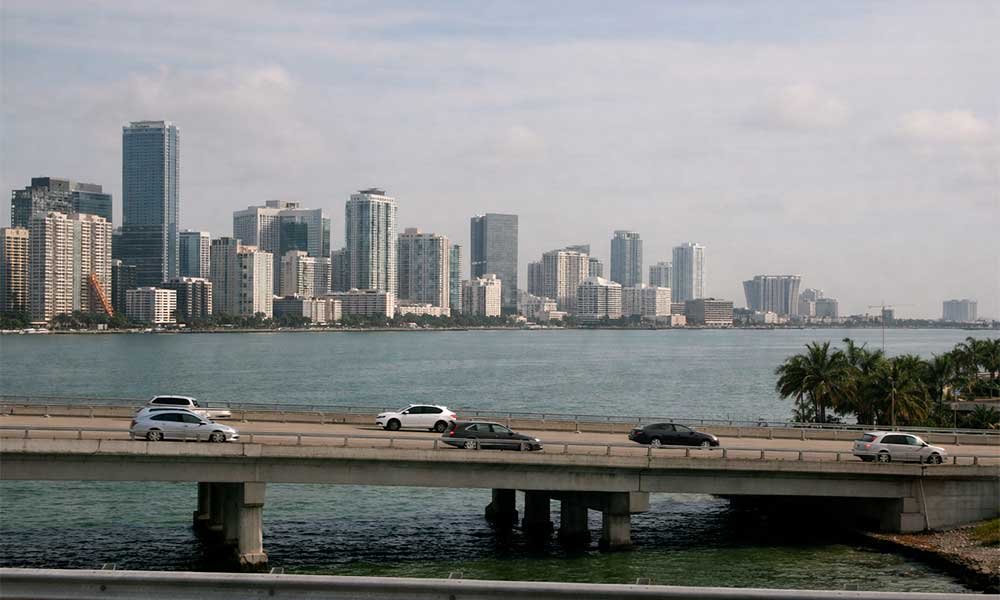
Brickell feels modern and vertical. Glass towers, rooftop bars, business energy.
It is not beach-centric.
What It Costs
- Modern hotels with predictable pricing
- Fewer resort fees
- You will likely Uber to the beach
Hidden Cost Reality
If you stay in Brickell but spend every day in Miami Beach, Uber costs can erase any hotel savings.
When Brickell Makes Sense
- You like modern city atmosphere
- You want walkable restaurants and grocery stores
- You don’t mind Ubering to the beach occasionally
- You are working remotely
When It Doesn’t
- You expect to wake up and walk to the sand
- You want a party-heavy vibe
Full analysis here:
- Is Brickell a Good Area to Stay in Miami?
- Brickell vs South Beach: Which Is Better for Your Miami Stay?
- Brickell vs Downtown Miami: Which Area Makes More Sense?
Downtown Miami
Downtown is practical.
It’s often cheaper than South Beach and slightly cheaper than Brickell.
It’s also more mixed in atmosphere.
Why It’s Cheaper
- More business-oriented
- Less beach demand
- Older hotel inventory in some areas
Financial Advantage
If your trip is short or cruise-focused, Downtown can reduce hotel spending.
Where It Can Backfire
- If you expect charm
- If you’re uncomfortable with mixed urban environments at night
Full breakdown here:
Can You Stay in Miami Without Renting a Car?
Yes — but only in specific areas.
South Beach and Brickell work best without a car.
Downtown can work if your itinerary is central.
The mistake tourists make is underestimating distance. Miami is spread out.
If you stay far from your daily activities, Uber becomes your second hotel bill.
Detailed breakdown here:
Is Miami Safe for Tourists?
Miami is not extremely dangerous.
But safety perception changes by area and time of day.
South Beach feels busy and active.
Brickell feels polished and modern.
Downtown feels mixed depending on block and hour.
Safety is less about crime statistics and more about:
- Where you walk
- How late you stay out
- Whether you look distracted
Full safety analysis:
- Is Miami Safe for Tourists? What Actually Matters
- What Getting Robbed in Miami Taught Me About Staying Safe as a Tourist
Traveler Profiles: Where You Should Stay
First-Time Visitor
South Beach. You get the postcard experience.
Party-Focused Traveler
South Beach. Everything walkable at night.
Remote Worker or Couple
Brickell. Modern, clean, predictable.
Budget Traveler
Downtown — but choose carefully and stay aware.
Cruise Passenger (Short Stay)
Downtown or Brickell for port access and cost balance.
So, Where Should You Stay in Miami?
There is no universal best area.
There is only the best area for how you plan to spend money.
If you want the beach outside your door, pay for South Beach.
If you want modern comfort and don’t mind Ubering to the sand, choose Brickell.
If you want lower hotel prices and a practical location, consider Downtown.
Choose based on how you plan to move — not how Miami looks on social media.